Key points
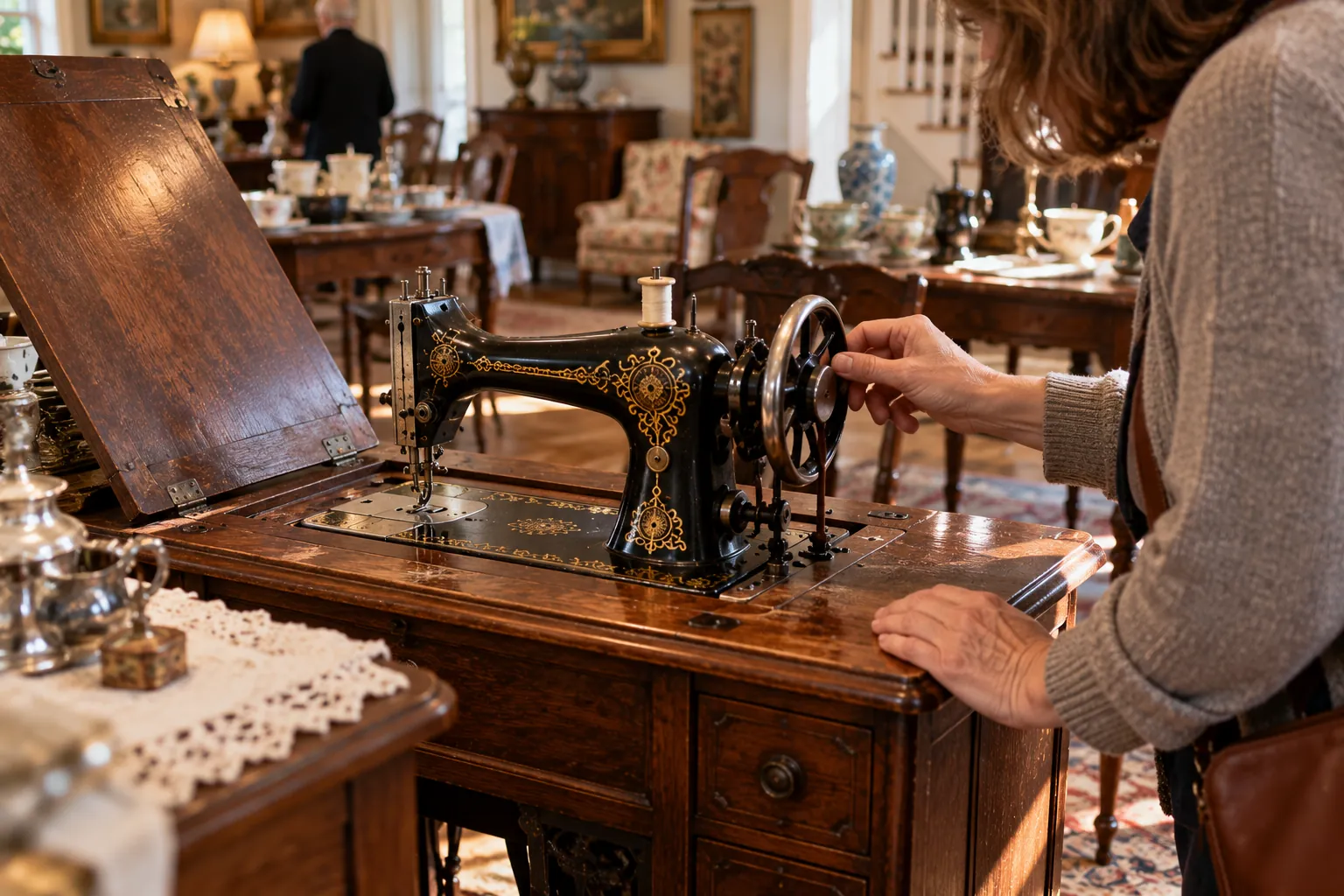
- Turn the handwheel towards you; a stiff machine may only need cleaning, but never force a seized one.
- Missing bobbin cases and slide plates are the most common and annoying gaps.
- Old wiring is a safety issue: budget to replace it.
- Check sold prices for the model, not asking prices.
Where to lookWhere to find a vintage Singer for sale
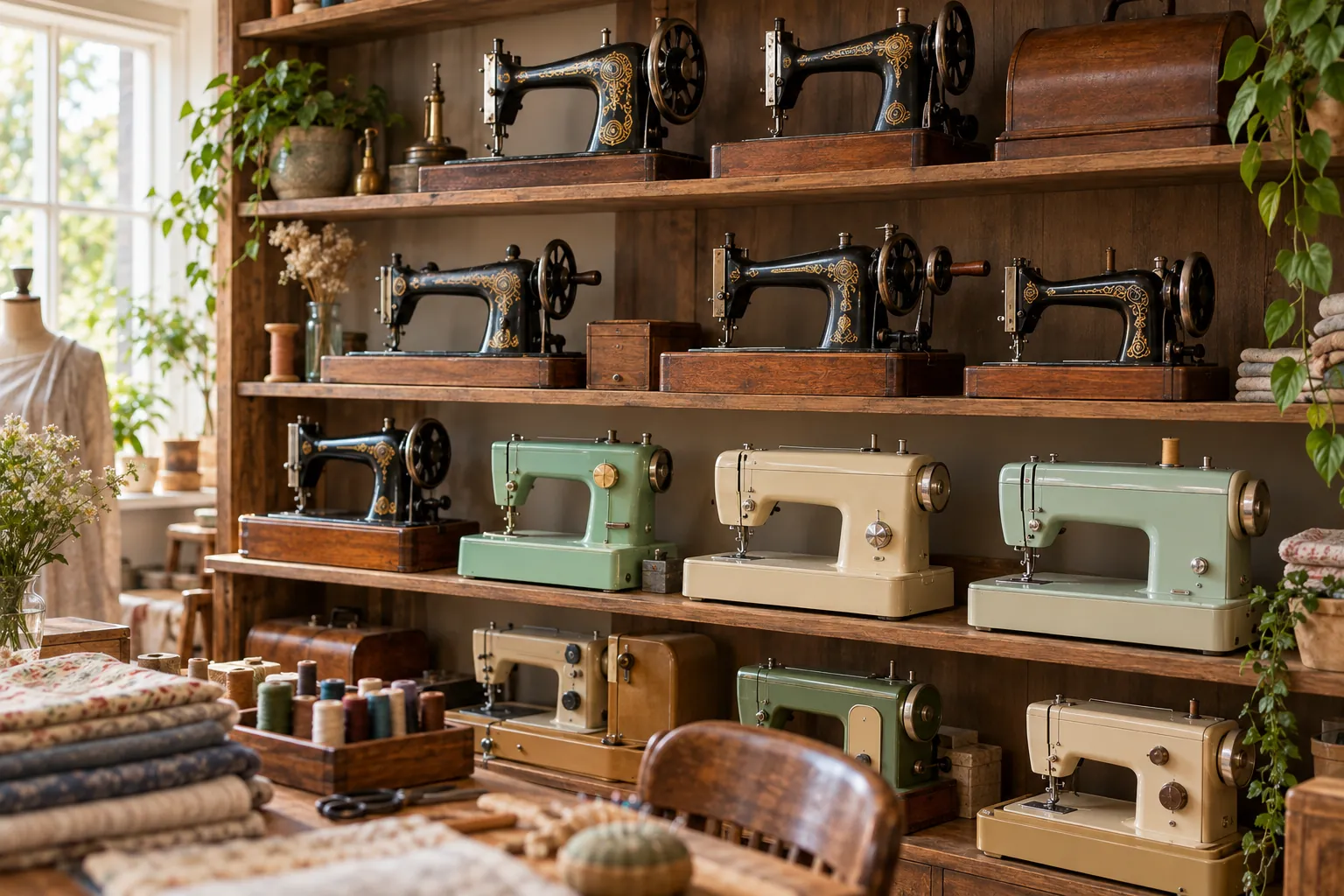
Estate sales, garage sales, charity shops, auctions, online marketplaces, sewing-machine dealers and collectors’ clubs. ISMACS notes that Featherweights can still turn up at garage sales and auction houses at bargain prices, while quilters’ magazines and specialist dealers charge more. Dealers price in their work and margin; ISMACS suggests multiplying a dealer’s buying offer by at least two to estimate retail.
FirstDecide what you want it for
A machine for sewing every day, a portable for classes, or a collector’s piece? Our best vintage Singers guide and portables guide help you choose. Identify the model in the listing photos with our model identifier, and ask for the serial number so you can date it.
ChecklistWhat to check before you buy
- Handwheel. Turn it towards you only. It should turn smoothly, moving the needle and feed dogs.
- Seized? A stiff machine is often just old, gummed oil. ISMACS says never force it; it can usually be freed with kerosene and patience.
- Wiring. Old rubber insulation hardens and cracks. Don’t plug in a machine with damaged cords.
- Motor. A burning smell can mean someone put oil in the motor, which one restorer calls a costly repair.
- Foot control or knee lever. Present and working.
- Bobbin case and bobbins. Often missing on Class 15 machines; replacements don’t always sew as well.
- Slide plates and needle plate. Present and undamaged.
- Needle area. Rust or gouges around the needle hole are a red flag.
- Bed and arm. Look for cracks or signs the machine was dropped.
- Decals and finish. Worn decals don’t affect sewing but do affect value.
- Stitch test. Bring scraps, thread, a needle and a bobbin.
- Extras. Case key, attachments, manual, cabinet drawers.
PriceWhat should you pay?
Compare recent sold prices for the same model with our sold-price finder. Allow for repairs: a general buying guide puts minor repairs at roughly $10 to $150, and major ones much more. Read which Singers are worth money before paying a premium.
After buyingThe first things to do
Clean out lint, oil it with sewing machine oil (which oil), check the motor lubrication, fit a new needle and thread it correctly (threading guide). If it still misbehaves, see troubleshooting.
QuestionsFrequently asked questions
Is it worth buying an old Singer sewing machine?
Often, yes. All-metal Singers such as the 15-91, 201, 66, 99 and 301 are durable and easy to service, but check the wiring and parts first.
What should I look for when buying a vintage sewing machine?
A handwheel that turns freely, safe wiring, a complete bobbin area, a working motor and foot control, and a clean test stitch.
Where is the best place to buy a vintage Singer?
Estate sales and auctions are cheapest; dealers cost more but often service the machine first.
Can I fix a seized vintage sewing machine?
Usually. Gummed oil is the common cause. ISMACS says never force it; penetrate with kerosene and work it gently.
ReferencesSources
These are the pages and manuals the facts in this article come from. Where they disagree, we say so in the text.
- www.quiltingdaily.com/how-to-adopt-a-vintage-sewing-machine
- sewcanshe.com/used-sewing-machine-buyers-guide-15-pro-tips-for-success
- ismacs.net/needlebar/main/restoration/seized
- ismacs.net/sewing_machine_articles/how_much_is_my_sewing_machine_worth.html
- ismacs.net/singer_sewing_machine_company/singer_featherweight_portables_quilters_treasure.html
Published 24 October 2026 · Written and fact-checked by the HeirloomID editors. Spotted an error? Tell us.