Key points
- The 221 weighs about 11 lb; the free-arm 222K a little more.
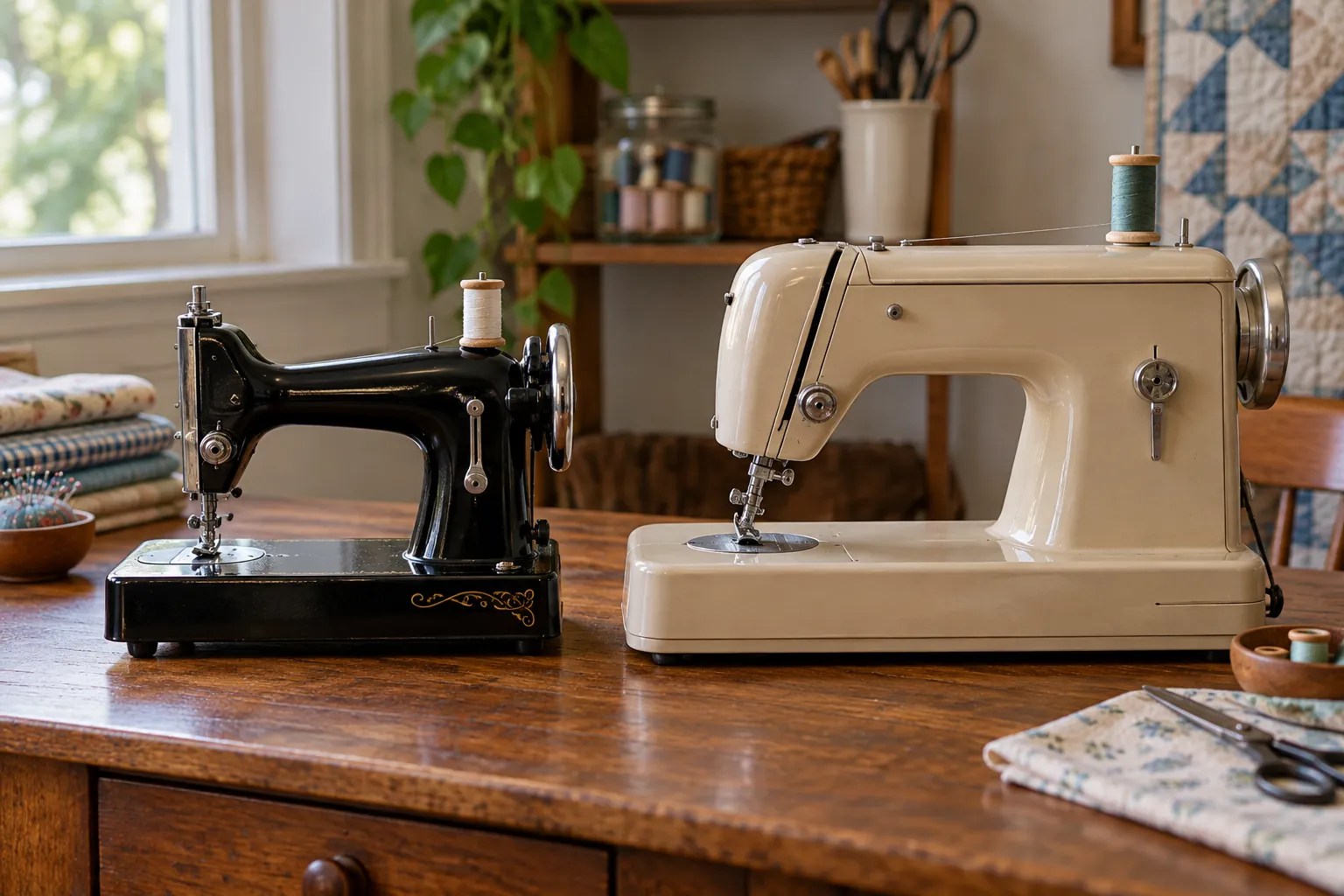
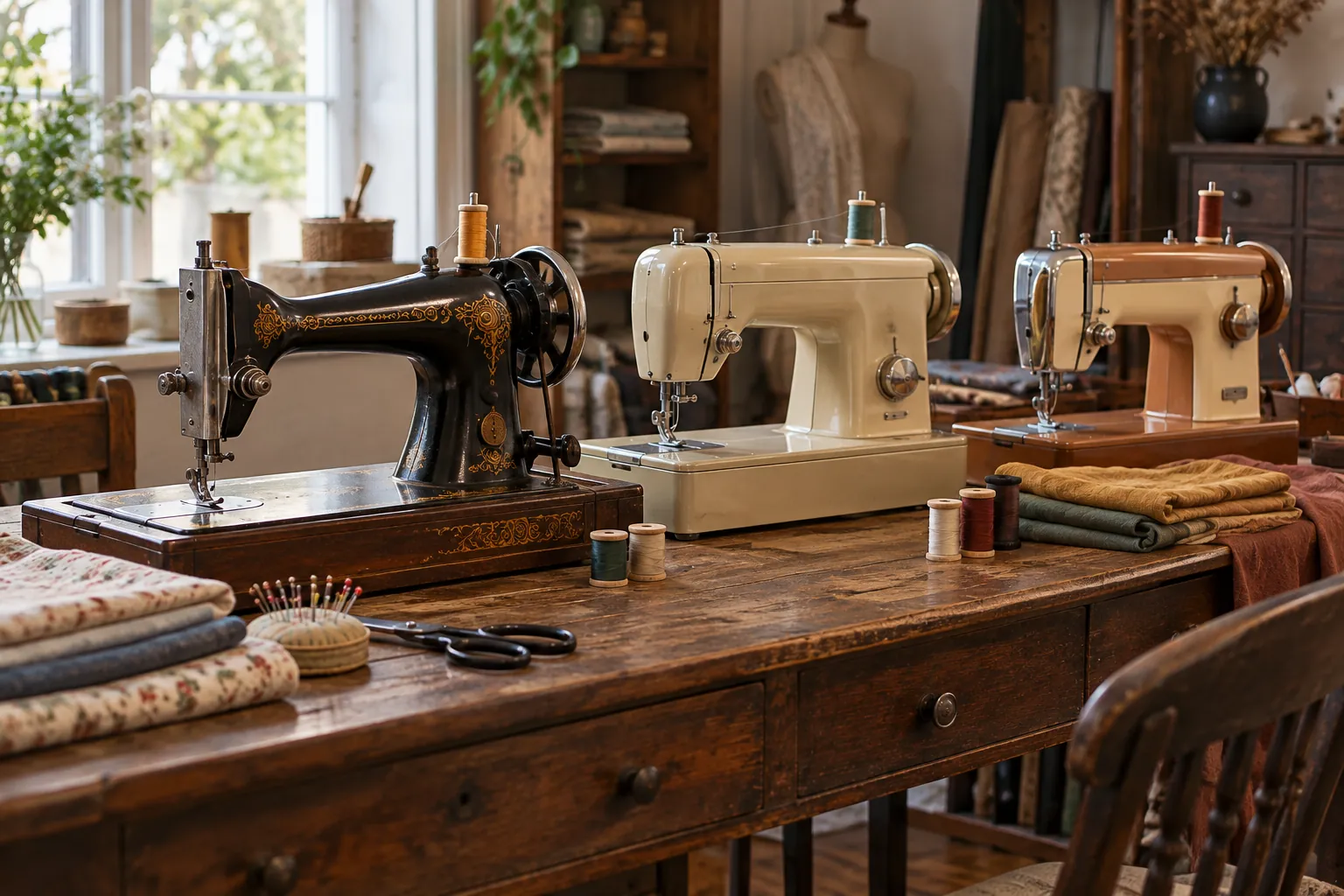
- Black 221s are the most common; white (pale turquoise) 221K, tan 221J and the 222K are scarcer.
- Check the bobbin case, motor, bed extension and case are all original and working.
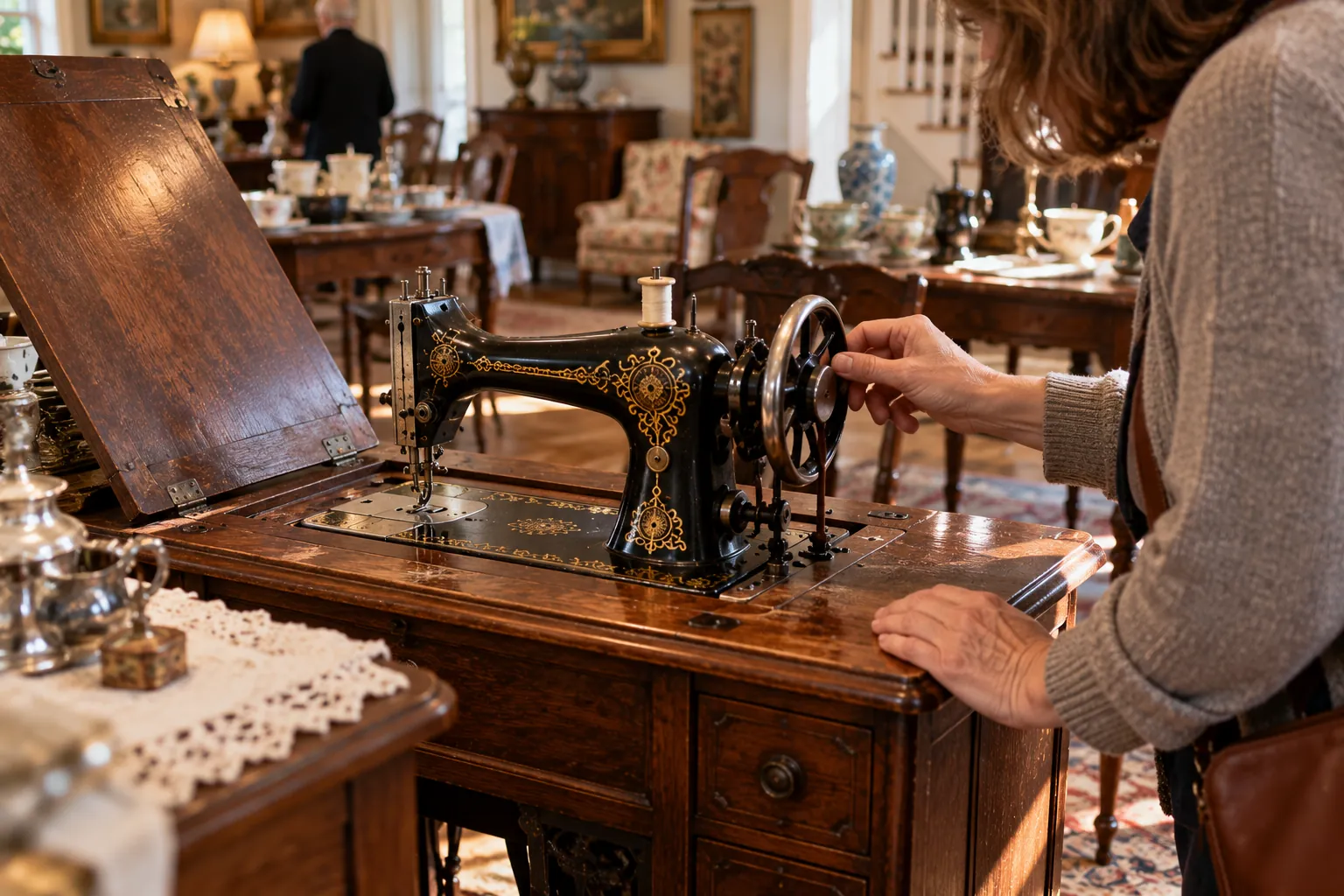
- Featherweight card tables and the No. 68 cabinet are rarer than the machines.
VersionsWhich Featherweight is it?
| Version | Made | Notes |
|---|---|---|
| Black 221 / 221K | 1933 to about 1961 | Most common; decal and faceplate changes date it |
| White / pale turquoise 221K | 1960s, Kilbowie | Belt-driven; ISMACS calls white the most frequent alternate colour |
| Tan 221J | 1960s | Sources differ on factory |
| 222K free arm | c.1953–1961, Kilbowie | Not marketed in the USA; about 100,000 made |
More detail in our Featherweight guide and 221 vs 222K comparison.
ValueHow much is a Singer Featherweight worth?
More than most vintage Singers. Wikipedia notes that although most post-1900 Singers are worth under $200, Featherweight buyers will pay good money. ISMACS says machines in good condition still turn up at bargain prices at garage sales and auctions, while quilters’ magazines bring higher prices. Check recent sold prices with our sold-price finder; condition, colour, completeness and the case move the price most.
ChecksWhat to check before you buy
- Serial and model. Ask for the serial and look it up.
- Motor and wiring. If the motor has lubricant ports, they take motor lubricant, never oil. Check the cord and the original foot controller.
- Bobbin case. Featherweight bobbin cases are specific; make sure one is there.
- Bed extension. The folding extension should be present and hinge properly.
- Decals and finish. Wear is normal, but heavy loss lowers value.
- Case and accessories. Original case, key, attachments box and manual add value.
- Test sew. A smooth, quiet run and a balanced stitch. See our buying checklist.
QuiltingWhy quilters love the Featherweight
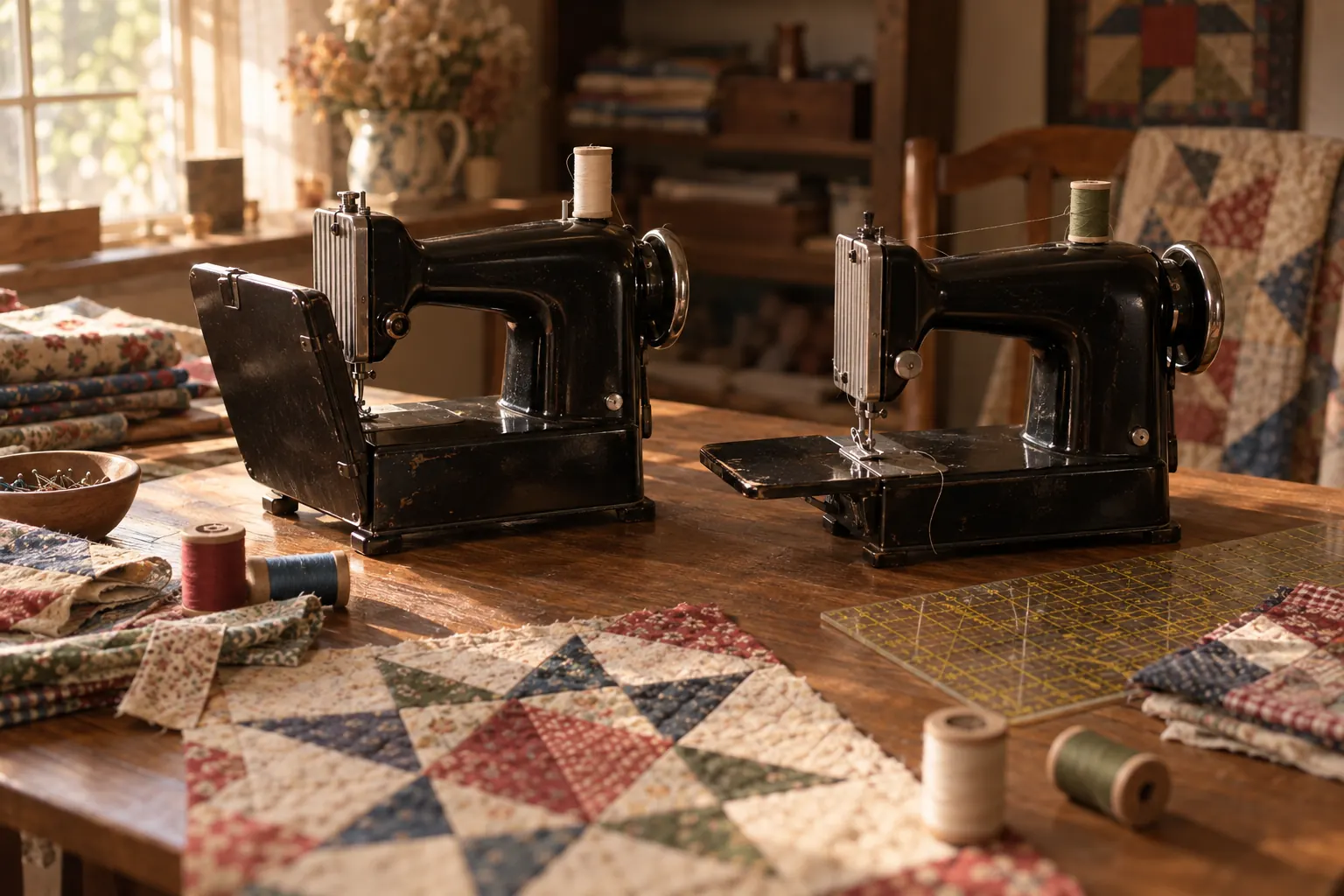
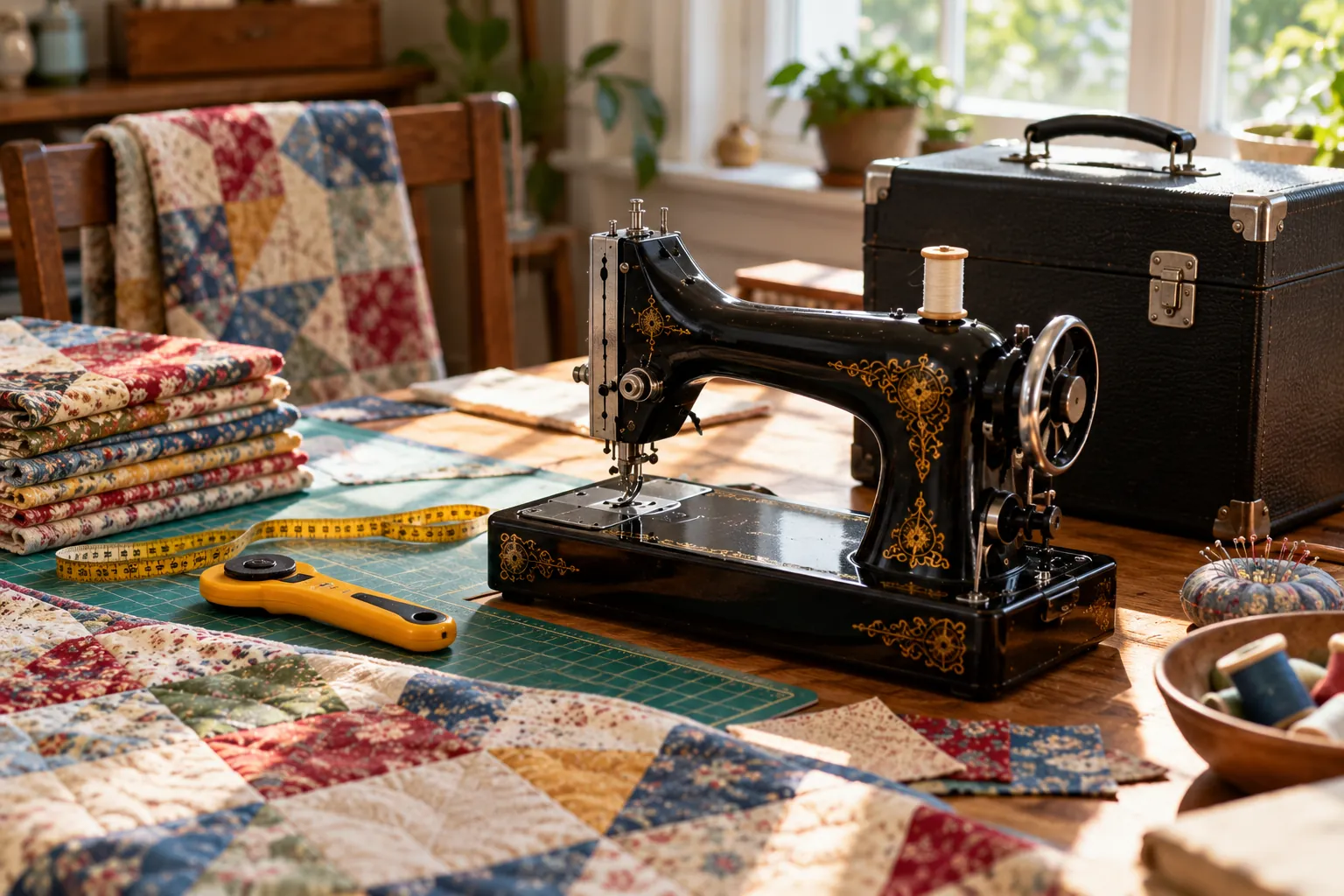
It is light enough to carry to classes, sews a precise straight stitch for piecing, and takes standard low-shank feet. Many quilters fit a quarter-inch foot. For a flat working surface, a Featherweight table or a modern drop-in extension table helps; Singer’s own card tables were made for it and are scarcer today than the machines.
QuestionsFrequently asked questions
How much is a Singer Featherweight 221 worth?
It varies with condition, colour and completeness. Check recent sold prices; Featherweights generally sell for more than other vintage Singers.
Which Featherweight is the rarest?
The 222K free arm and the coloured 221s (white or pale turquoise and tan) are scarcer than the black 221.
Is a Singer Featherweight good for quilting?
Yes. Quilters value its straight stitch, light weight and portability.
How do I know if a Featherweight is genuine?
Check the serial number on the bed, the model features and the decals. Our model pages show what to look for.
ReferencesSources
These are the pages and manuals the facts in this article come from. Where they disagree, we say so in the text.
- en.wikipedia.org/wiki/Singer_Featherweight
- ismacs.net/singer_sewing_machine_company/singer_featherweight_portables_quilters_treasure.html
- www.singer-featherweight.com/pages/221-vs-222
- singer-featherweight.com/blogs/schoolhouse/timeline-history-of-the-singer-featherweight
- ismacs.net/singer_sewing_machine_company/green_around_the_gills_featherweight_color.html
- ismacs.net/singer_sewing_machine_company/featherweight_fever_those_elusive_featherweight_cabinets_and_tables.html
Published 24 October 2026 · Written and fact-checked by the HeirloomID editors. Spotted an error? Tell us.