Key points
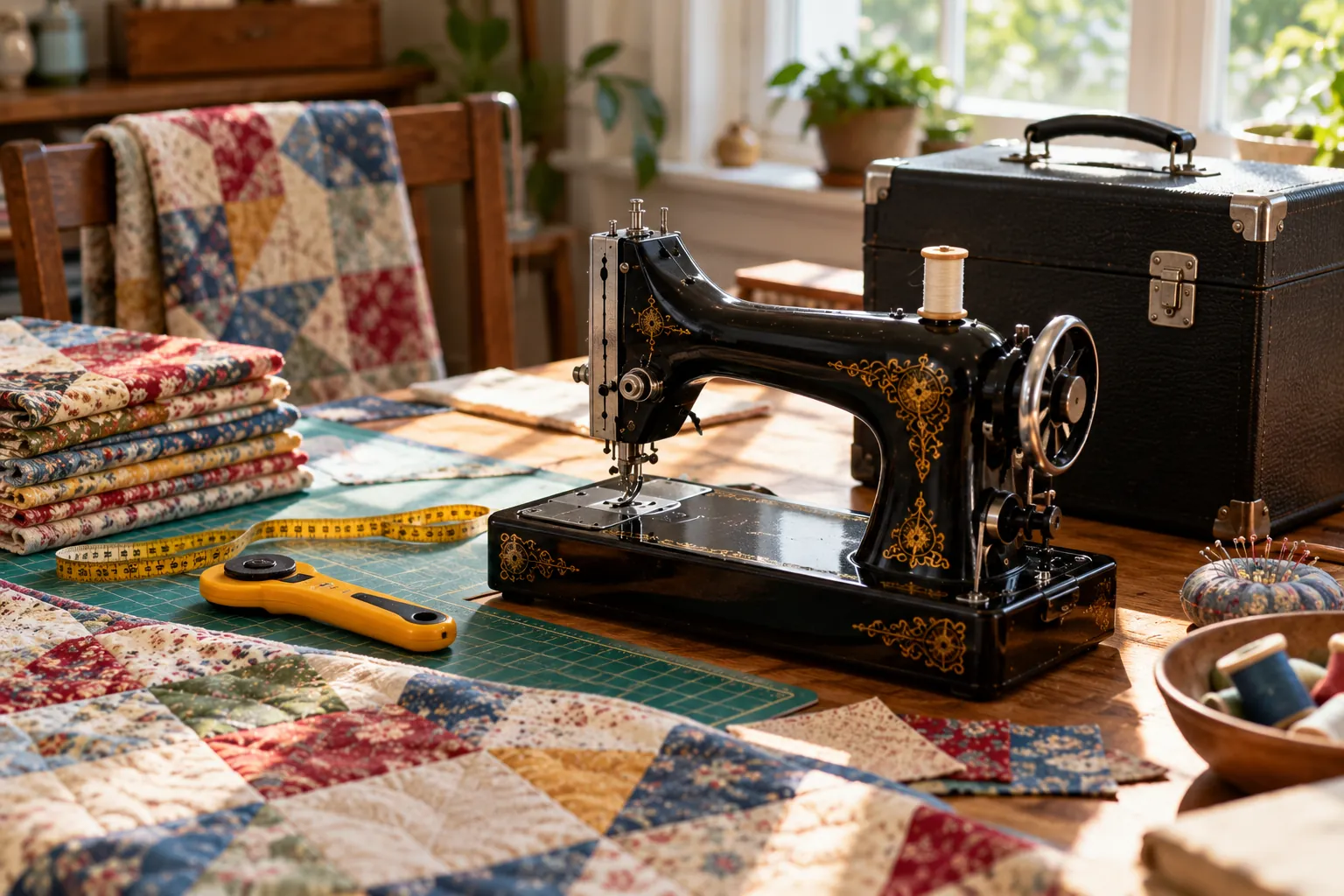
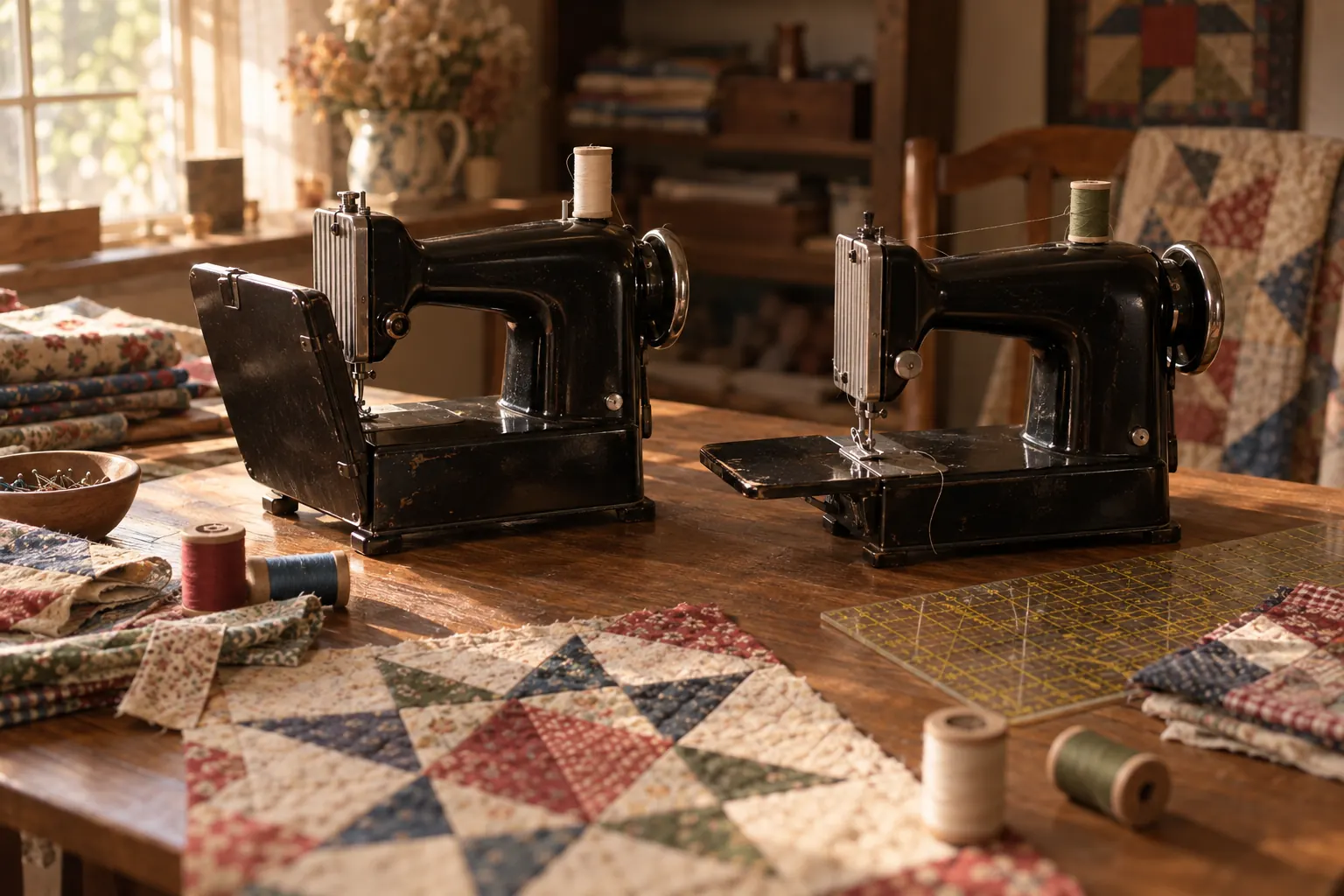
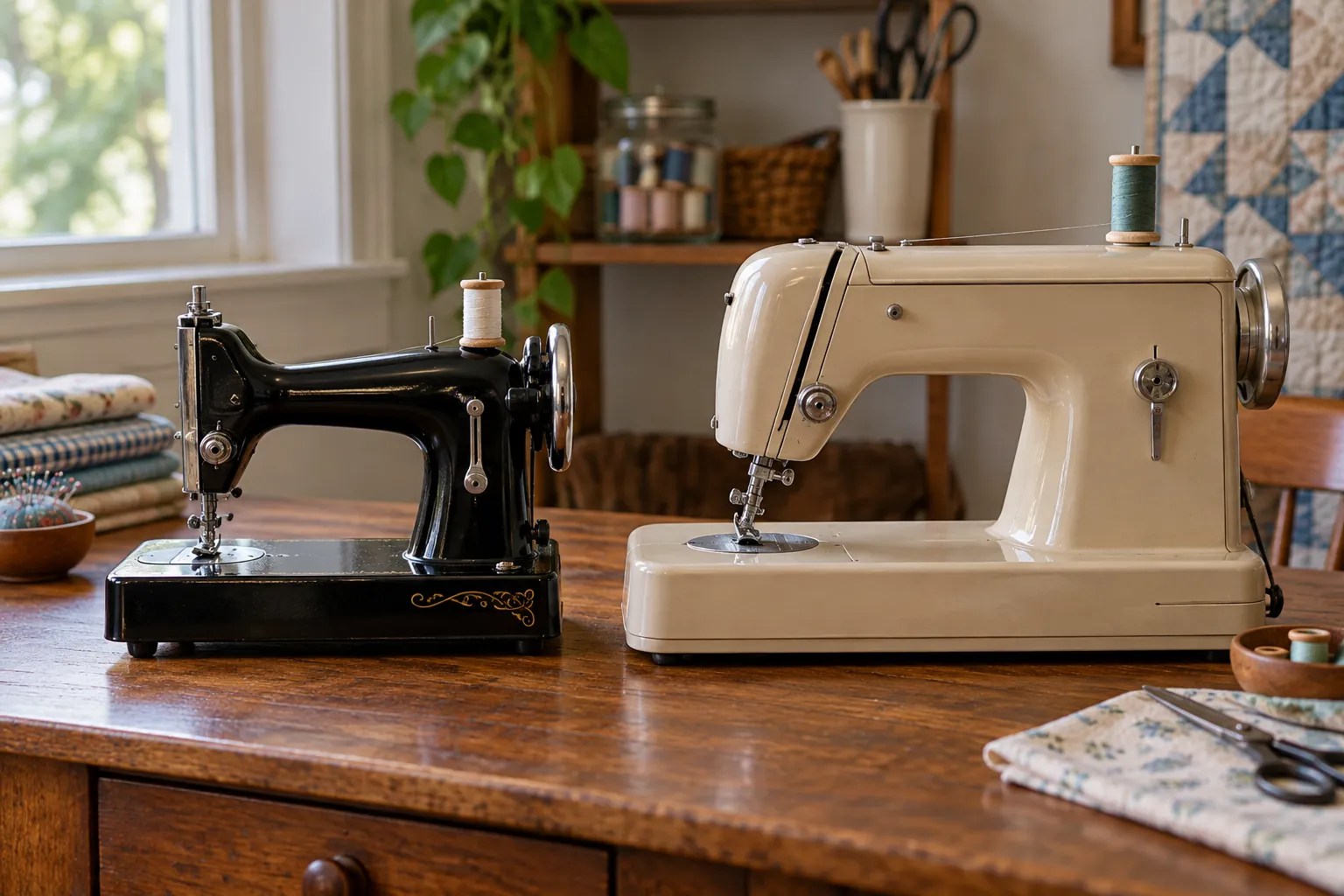
- 221: 3/4-size, about 11 lb, 1933 to the 1960s, low-shank feet.
- 301/301A: full-size bed, slant needle and slant-shank feet, made at Anderson, South Carolina from 1951.
- Both take Class 221/301 bobbins and 15x1 needles, and both sew straight stitch only.
- The 221 usually sells for more; the 301 is often the better-value user machine.
Side by sideSinger 301 vs 221 at a glance
| 221 Featherweight | 301 / 301A | |
|---|---|---|
| Years | 1933 to the 1960s (end dates vary by source) | 1951 to 1957; replaced by the 404 in 1958 |
| Factory | Elizabethport, Kilbowie, St Johns | Anderson, South Carolina (the A in 301A) |
| Size | 3/4-size, short bed | Full-size head, long-bed and short-bed versions |
| Weight | About 11 lb (5 kg) | Heavier (owners often quote about 16 lb) |
| Needle | Straight, 15x1 | Slanted, 15x1 |
| Feet | Low shank | Slant shank (Singer’s first) |
| Bobbin | Class 221/301 | Class 221/301 |
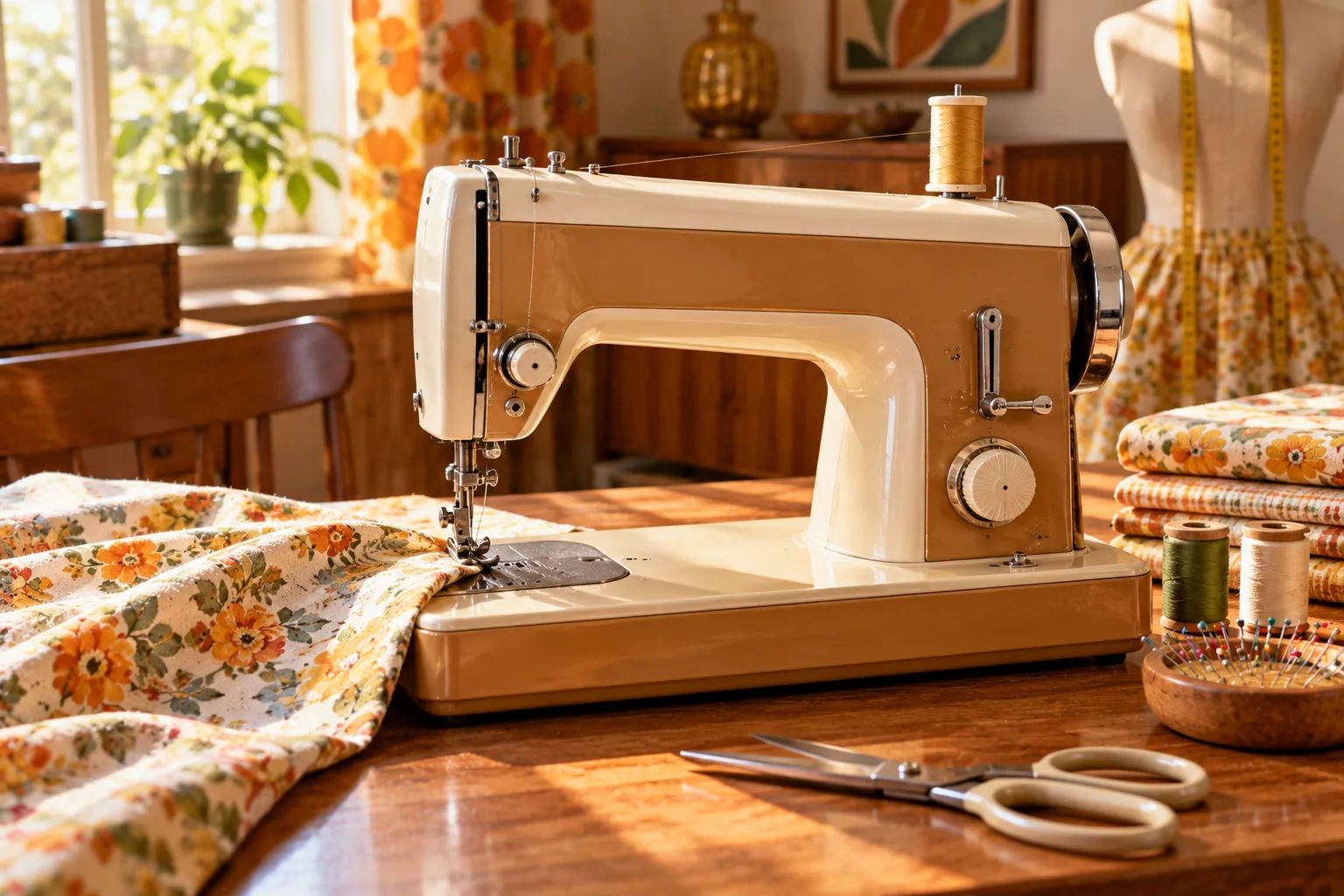
| Colours | Black; later white/pale turquoise and tan | Black or beige |
FeatherweightWhy people love the 221
The 221 Featherweight is small enough to carry to a class in its case and weighs only about 11 lb 1 oz according to ISMACS. It sews a very good straight stitch, and quilters have made it the most sought-after vintage Singer. Wikipedia notes that while most post-1900 Singers are worth less than $200, Featherweight buyers “will pay good money”. Read our Featherweight buying guide before paying a premium.
301Why the 301 is worth a look
The 301 was the first Singer with a slant shank, made at the new Anderson plant from 1951, in black or beige. ISMACS says it is often considered the portable successor to the 221. It has a full-size working area under the arm, which helps with quilts and bulky seams, and its slanted needle gives a clearer view of the stitching. singersewinginfo records that it was replaced by the near-identical 404 in 1958.
Because the 301 uses slant-shank feet, low-shank Featherweight attachments do not fit it. See our presser feet guide.
ChoosingWhich should you buy?
- Buy the 221 if you need the lightest machine to carry, or want a collectable.
- Buy the 301 if you want a full-size workspace in a portable, and value for money.
- Either way, check the motor and wiring, turn the handwheel by hand, and test-sew. Our buying checklist covers what to look for.
ValueWhat is a Singer 301 worth?
Prices move with condition, region and season, and asking prices are not selling prices. Check recent sold listings with our sold-price finder. In general a working 301 with its case and accessories sells for less than a Featherweight in similar condition.
QuestionsFrequently asked questions
Is the Singer 301 a Featherweight?
No. It is a separate, larger slant-needle portable, often described as the Featherweight’s successor.
Do Featherweight feet fit a Singer 301?
No. The 221 uses low-shank feet; the 301 uses slant-shank feet.
What does the A in 301A mean?
It stands for Anderson, South Carolina, the factory that made it.
Do the 301 and 221 use the same bobbin?
Yes. ISMACS lists Class 221/301 bobbins for the 301, the same type as the Featherweight.
ReferencesSources
These are the pages and manuals the facts in this article come from. Where they disagree, we say so in the text.
- www.singersewinginfo.co.uk/301
- ismacs.net/singer_sewing_machine_company/singer-class-301-sewing-machines.html
- www.singersewinginfo.co.uk/history/factories/anderson
- www.singersewinginfo.co.uk/404a
- ismacs.net/singer_sewing_machine_company/singer_featherweight_portables_quilters_treasure.html
- en.wikipedia.org/wiki/Singer_Featherweight
- sewing.patternreview.com/review/machine/51
Published 24 October 2026 · Written and fact-checked by the HeirloomID editors. Spotted an error? Tell us.