Key points
- 401A (1957–61 at Anderson): built-in stitches plus top-hat cams.
- 403A (1958–60): no built-in stitches; cam needed for zigzag.
- 404 (late 1950s): straight stitch with reverse only.
- 500A Rocketeer and 503A (1961–63): the 500A has built-ins; the 503A needs cams.
- All: slant shank, Class 66 bobbin, 15x1 needle, gear drive.
ComparisonThe Slant-o-Matic family side by side
| Model | Years (Anderson) | Stitches | Cams |
|---|---|---|---|
| 401A | 1957–1961 (some say 1956) | Straight, zigzag, built-in decorative | Built in + extra top-hat cams |
| 403A | 1958–1960 | Straight; zigzag with a cam | Cam needed for any zigzag |
| 404 | Late 1950s | Straight stitch and reverse only | None |
| 500A Rocketeer | 1961–1963 | Straight, zigzag, built-in decorative | Built in + extra cams |
| 503A | 1961–1963 (ISMACS: 1960–62) | Straight; zigzag with a cam | Cam needed for any zigzag |
Years are from singersewinginfo’s Anderson factory page; ISMACS gives slightly different ranges for the 403 and 503. Feature descriptions are from ISMACS’s 400- and 500-series pages.
CamsWhat are Singer top-hat cams?
The interchangeable stitch cams for these machines are sold as “top hat” cams for the 401A, 403A, 500A and 503A; ISMACS calls them Singer Special Discs on the 401. A cam is a shaped disc: as it turns, a follower tracks its profile and swings the needle to make the pattern. The 401A and 500A also have cams built in, selected with knobs; the 403A and 503A rely entirely on inserted cams.
Shared featuresWhat they all have in common
- Slant needle and slant-shank feet: standard low-shank feet don’t fit (feet).
- Class 66 bobbins (bobbins) and 15x1 needles threaded front to back.
- Gear drive with an internal motor.
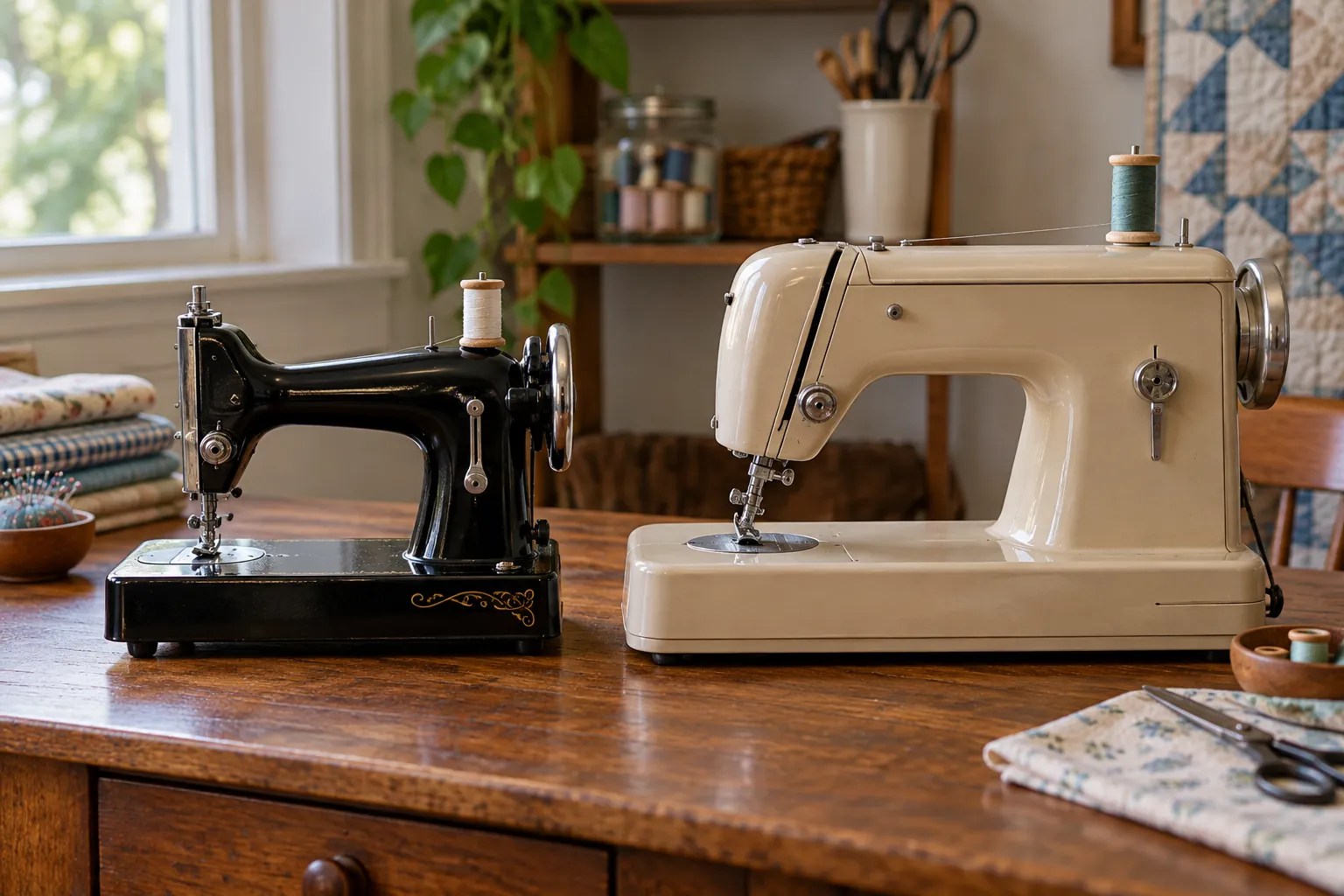
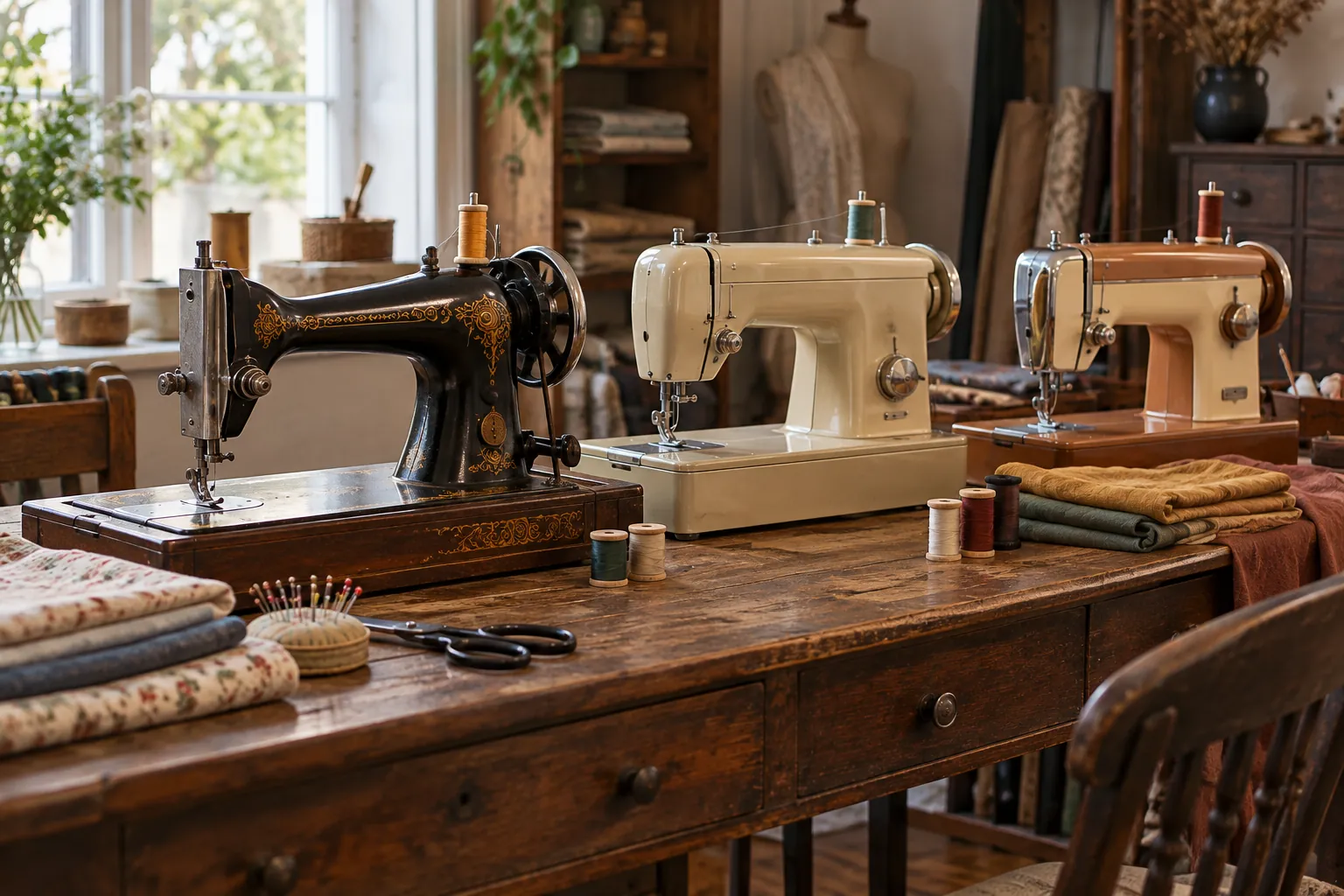
- Tan and cream finishes (ISMACS) and mid-century styling.
ProblemsFrozen Slant-o-Matics
Slant-o-Matics that have stood unused often seize, especially in the stitch selector and cam stack. As with any vintage Singer, use penetrating cleaner and patience rather than force (troubleshooting).
ChoosingWhich should you buy?
For the most built-in versatility, the 401A or 500A. For a cheaper machine you’ll mainly use for straight sewing with occasional zigzag, a 403A or 503A with a few cams. For pure straight stitch, the 404 or its predecessor the 301. Compare in our best vintage Singers guide.
QuestionsFrequently asked questions
What is the difference between the Singer 401A and 403A?
The 401A has built-in stitches and also takes extra cams; the 403A has none built in and needs a cam for any zigzag.
Is the Singer 500A better than the 401A?
Both have built-in stitches and take extra cams. The 500A is the later Rocketeer, with a different drop-in bobbin position and styling. Choose on condition.
What cams fit a Singer 401A?
Top-hat cams made for the 401A, 403A, 500A and 503A.
Is the Singer 404 a zigzag machine?
No. It sews straight stitch with reverse only.
ReferencesSources
These are the pages and manuals the facts in this article come from. Where they disagree, we say so in the text.
- www.singersewinginfo.co.uk/history/factories/anderson
- ismacs.net/singer_sewing_machine_company/singer-model-400-series-descriptions.html
- ismacs.net/singer_sewing_machine_company/singer-model-500-series-descriptions.html
- ismacs.net/singer_sewing_machine_company/singer-503-rocketeer-sewing-machine.html
- ismacs.net/singer_sewing_machine_company/p401.html
- www.vintagesingerparts.com/collections/top-hat-stitch-cams-for-singer-models-401a-403a-500a-503a
- ismacs.net/singer_sewing_machine_company/singer-404-straight-stitch-sewing-machine.html
- archaicarcane.com/stuck-in-the-middle-frozen-slant-o-matics
Published 24 October 2026 · Written and fact-checked by the HeirloomID editors. Spotted an error? Tell us.