Key points
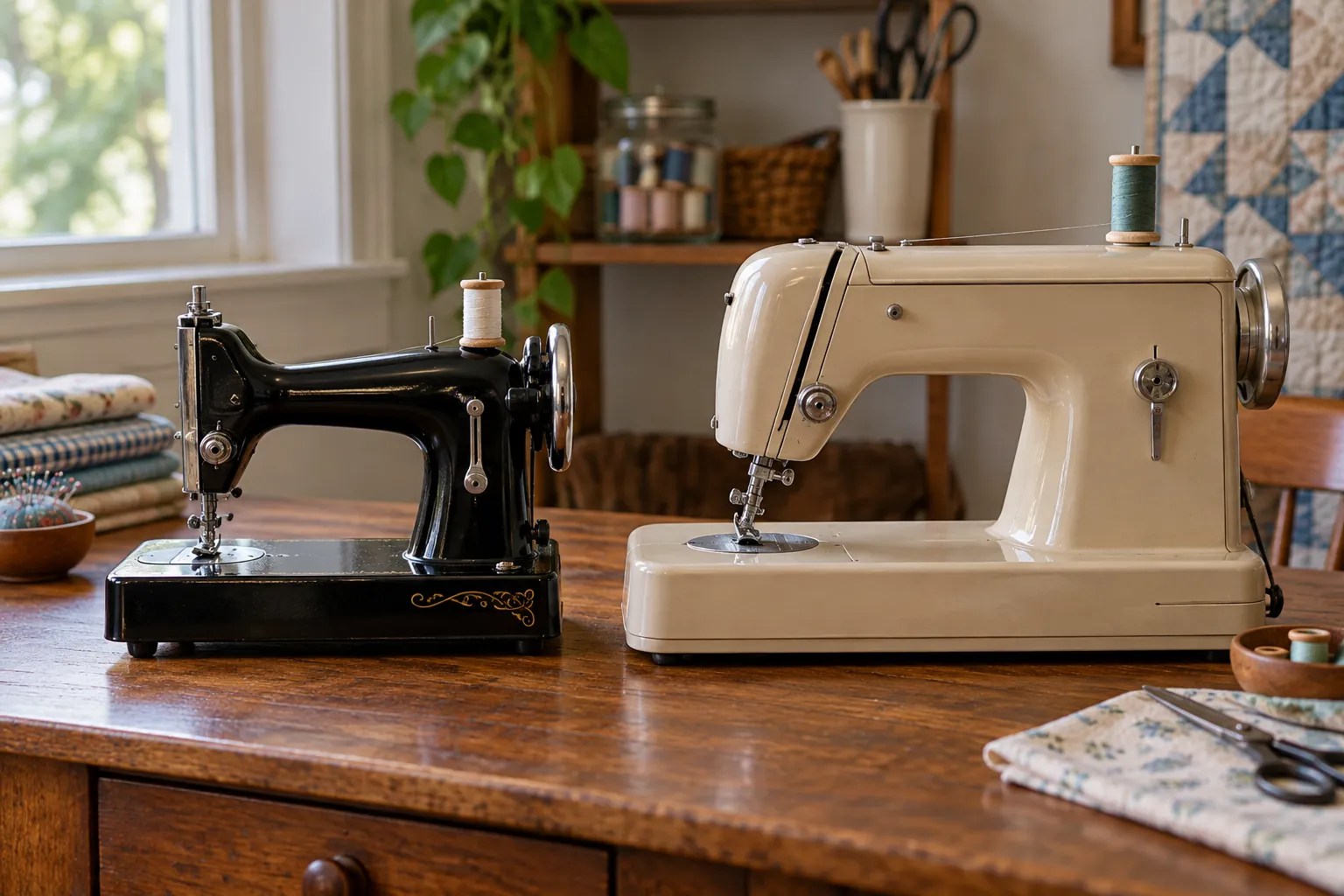
- 221 Featherweight: about 11 lb, black case like an LP record case.
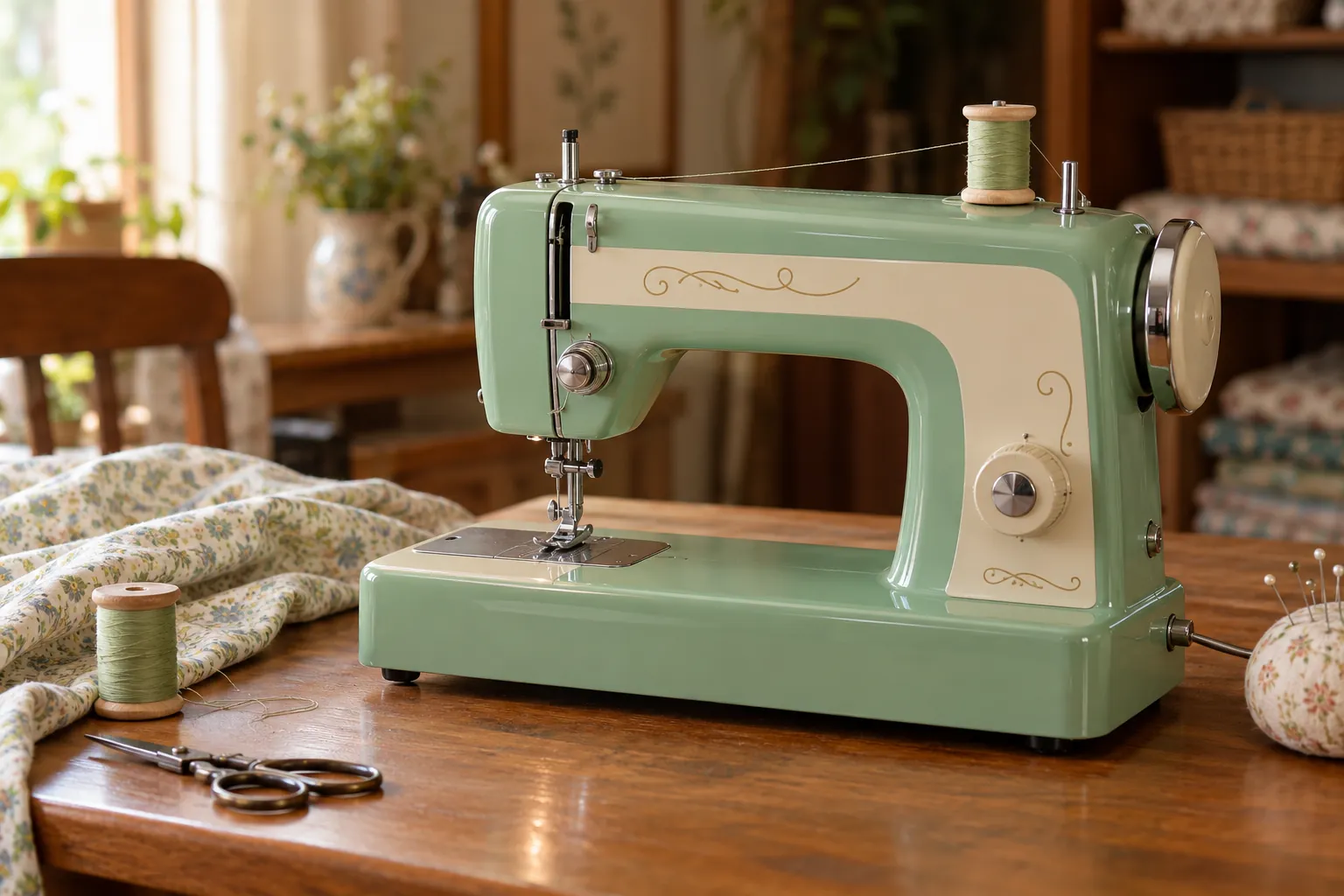
- 222K: free arm, made in Scotland about 1953–1961 for non-US markets.
- 99K: 3/4 size, about 22 lb; early ones came in bentwood covers, later in case-style covers.
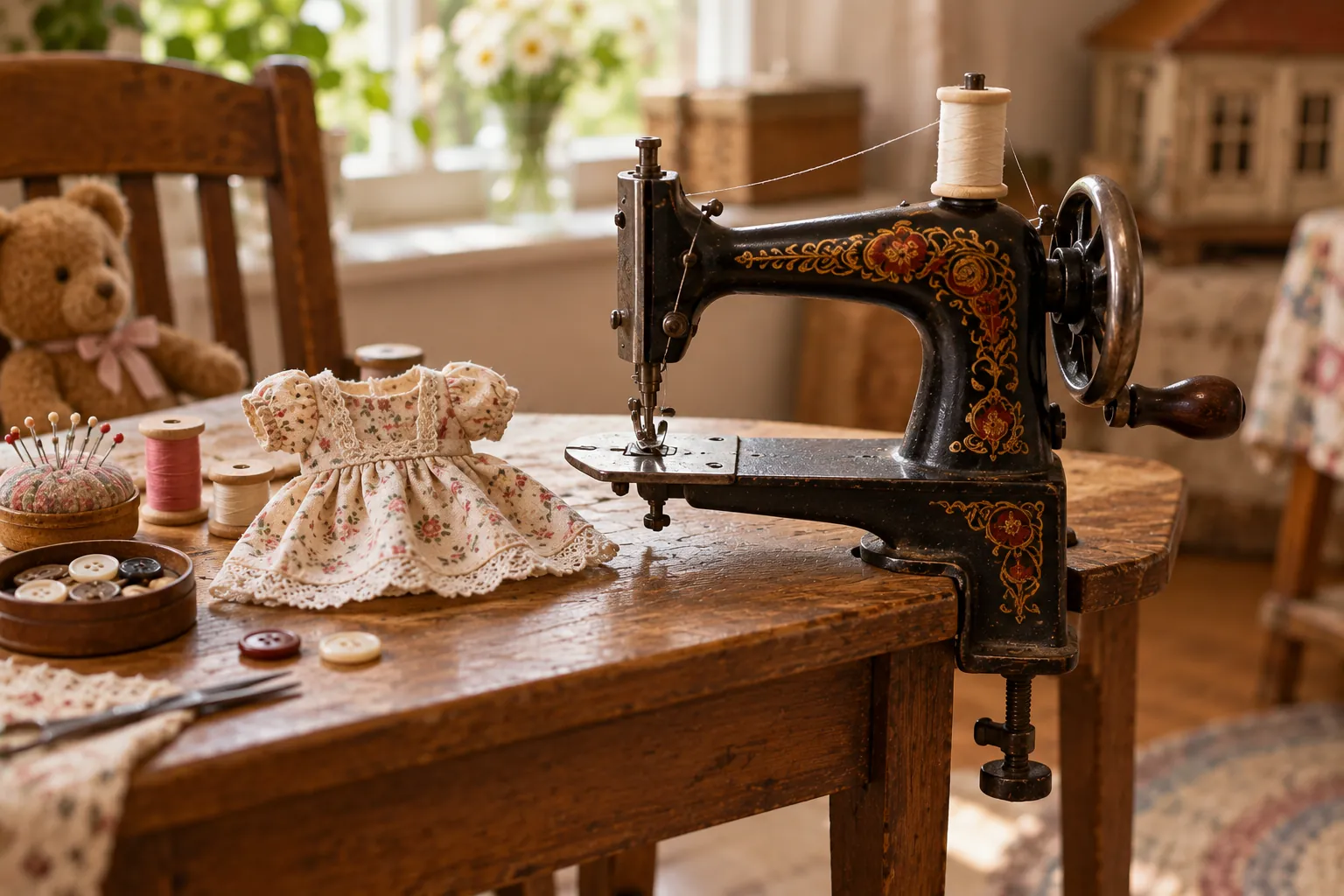
- 128: 3/4 version of the 127, long shuttle, often in a bentwood case.
- 301: full-size slant-needle portable from 1951.
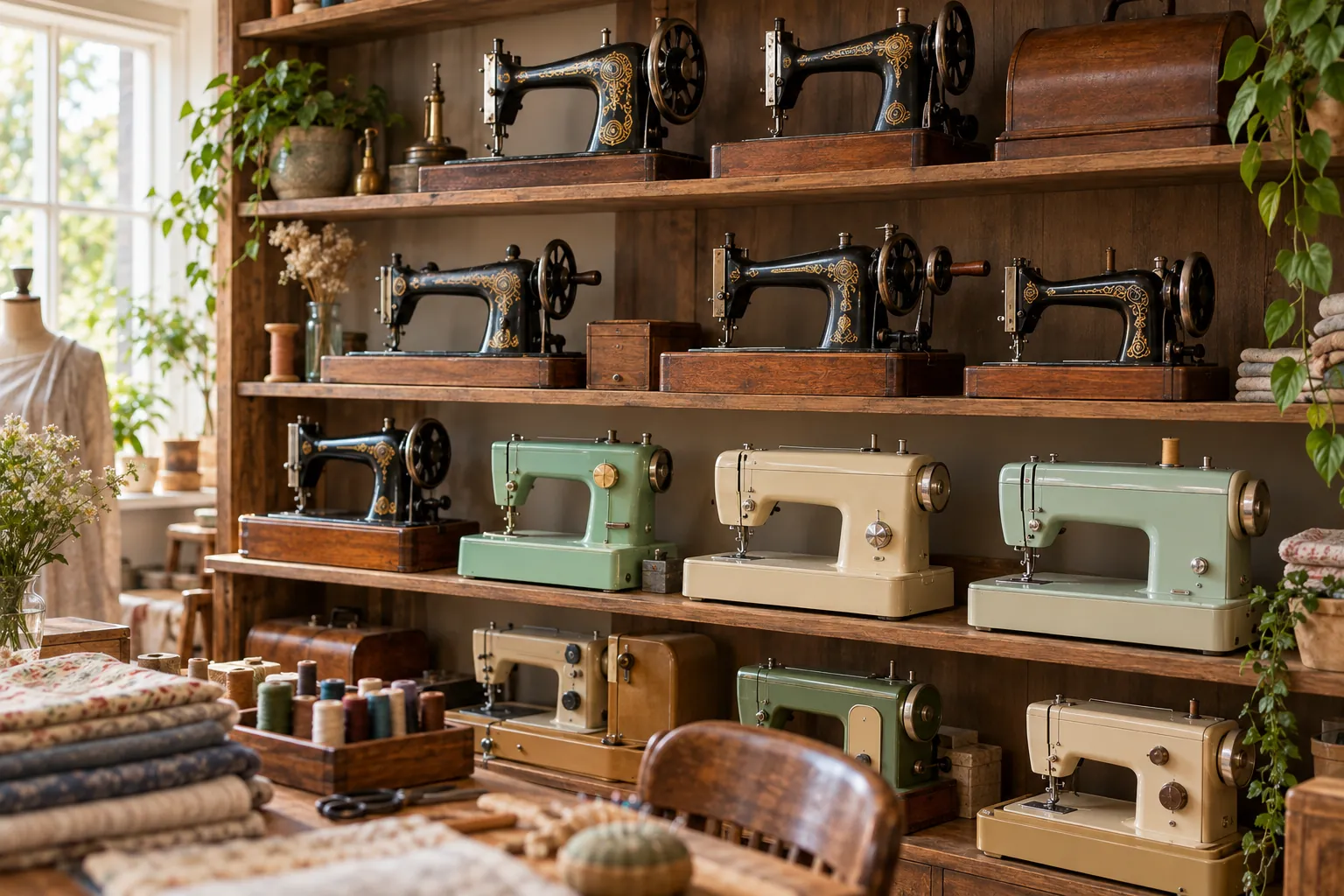
ModelsVintage portable Singers at a glance
| Model | Years | Weight | Case |
|---|---|---|---|
| 221 Featherweight | 1933–1960s | About 11 lb | Black case; white 221K with its own coloured case |
| 222K | c.1953–1961 | About 12–13 lb | Featherweight-style case |
| 99 / 99K | 1911–about 1958 | About 22 lb | Bentwood cover early; later suitcase-style |
| 128 | To 1962 (128K) | — | Bentwood cover common |
| 185 | 1958–1963 | — | Carry case or cabinet |
| 301 | 1951–1957 | Owners quote about 16 lb | Carry case or cabinet |
CasesBentwood cases and suitcase cases
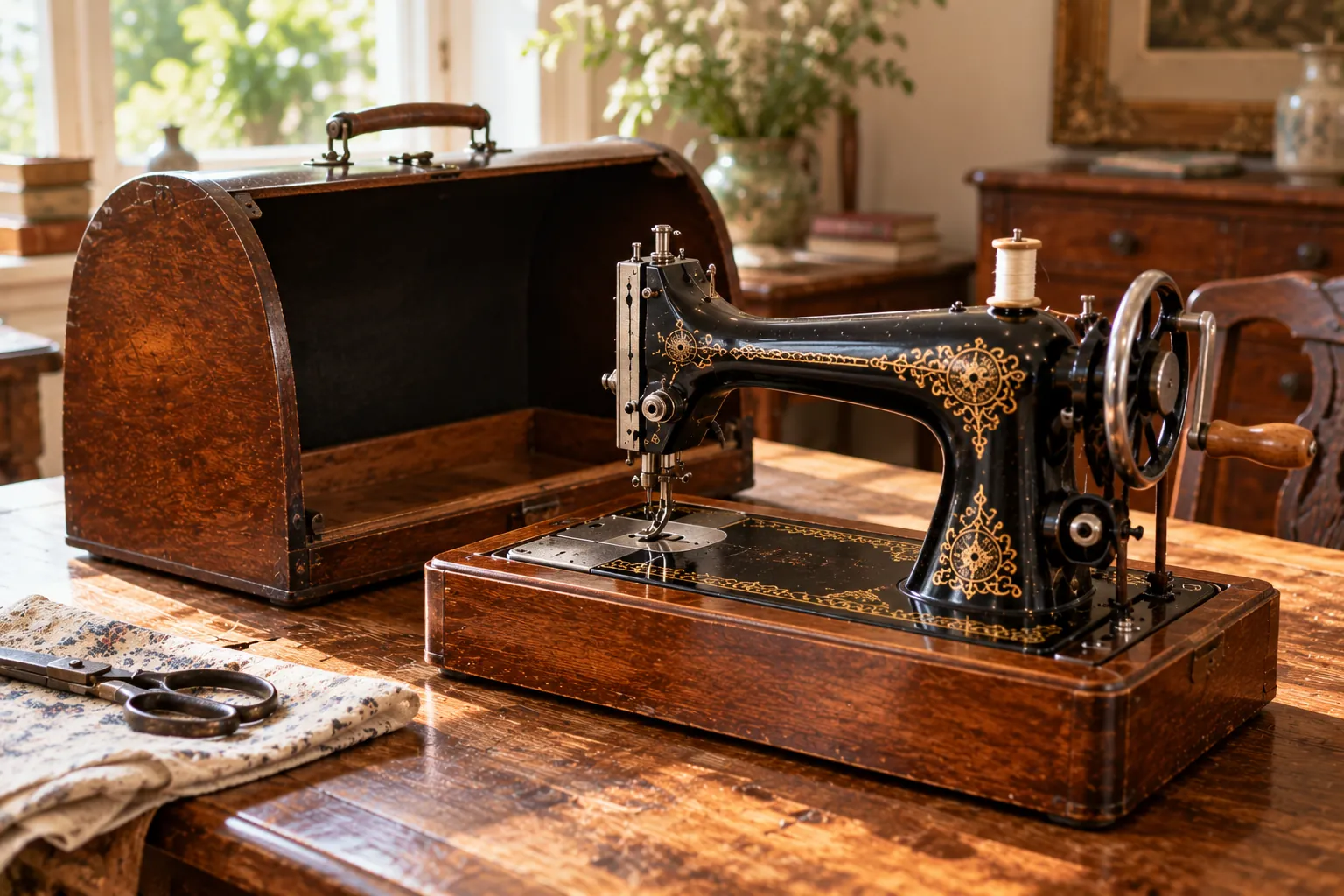
singersewinginfo notes that early 99s had “Bentwood” (polished plywood) covers, now thought very desirable, and later ones a mock-crocodile suitcase-style case. Featherweight 221s had black carry cases, similar to record cases. Sources disagree on the white 221K’s case: singersewinginfo describes a two-tone blue case, ISMACS white with a green stripe; there may have been several. Original keys for bentwood cases are often lost; replacement keys are widely available.
ChoosingWhich vintage portable should you choose?
For carrying to classes, the Featherweight wins on weight. For a bigger work area, the 301. For the most robust simple machine at a lower price, a 99K. See our 301 vs 221 comparison and Featherweight buying guide.
DatingHow to date a portable Singer
Every one of these has a serial number stamped on the bed. Enter it in our lookup for the year and factory. The case is not a reliable date clue, because cases were often swapped.
QuestionsFrequently asked questions
What is the lightest vintage Singer sewing machine?
The 221 Featherweight, at about 11 lb.
Is a Singer 99K a portable?
Yes, it was sold as a portable in a carrying cover, but at about 22 lb it is heavy to carry.
What is a Singer bentwood case?
A curved, polished plywood cover used on early portables such as the 99 and 128. Collectors find them desirable.
How do I open a Singer bentwood case without a key?
Replacement keys for the common lock are widely sold; avoid forcing the lock, which damages the wood.
ReferencesSources
These are the pages and manuals the facts in this article come from. Where they disagree, we say so in the text.
- en.wikipedia.org/wiki/Singer_Featherweight
- www.singer-featherweight.com/pages/221-vs-222
- www.singersewinginfo.co.uk/99k
- singersewinginfo.co.uk/128
- www.singersewinginfo.co.uk/185
- www.singersewinginfo.co.uk/singer_machines/featherweight/models/221k
- ismacs.net/singer_sewing_machine_company/singer_featherweight_portables_quilters_treasure.html
- sewing.patternreview.com/review/machine/51
Published 24 October 2026 · Written and fact-checked by the HeirloomID editors. Spotted an error? Tell us.