Key points
- Made 1958 to mid-1963; replaced by the near-identical 285.
- A restyled, electric version of the 99K, reusing many of its parts.
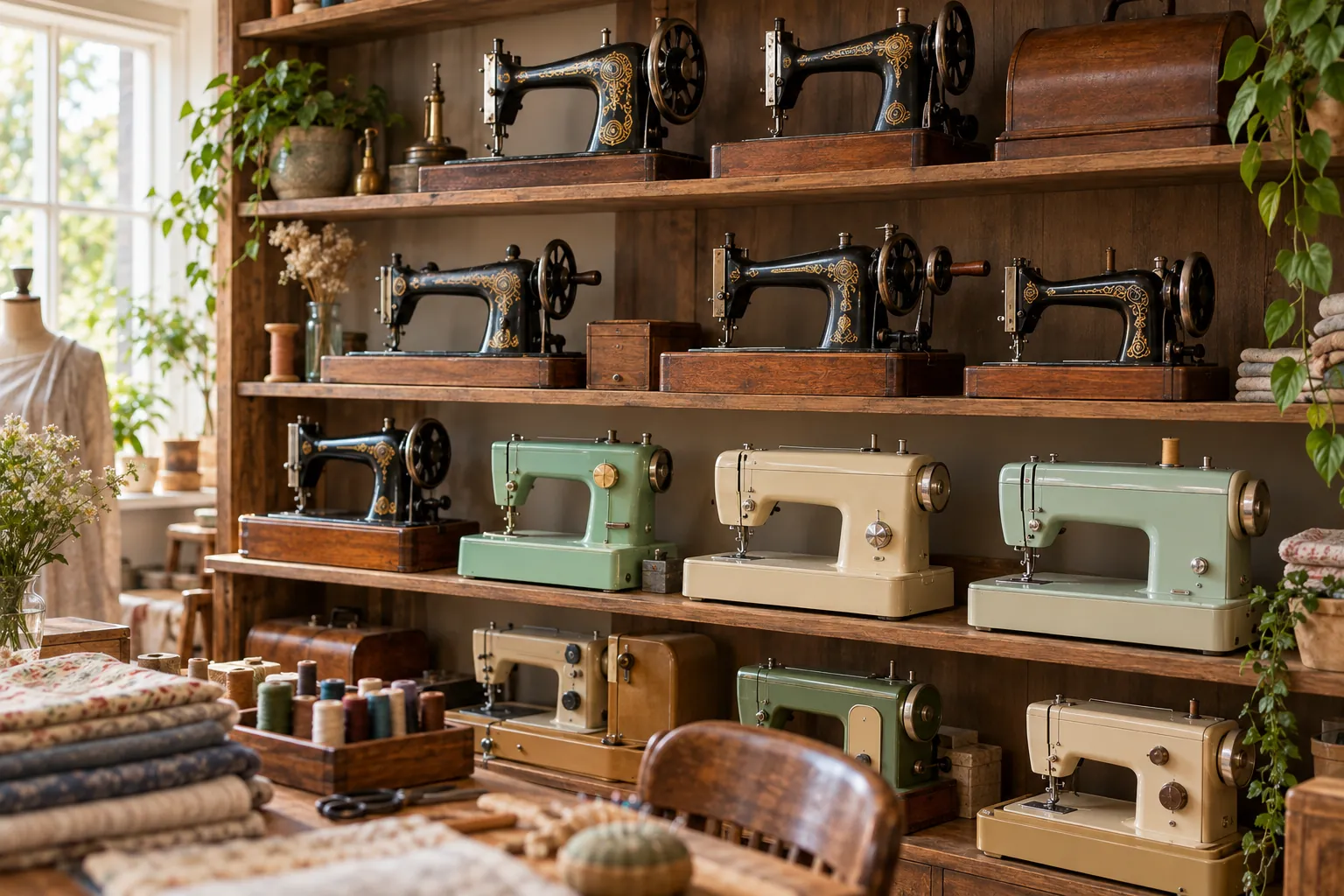
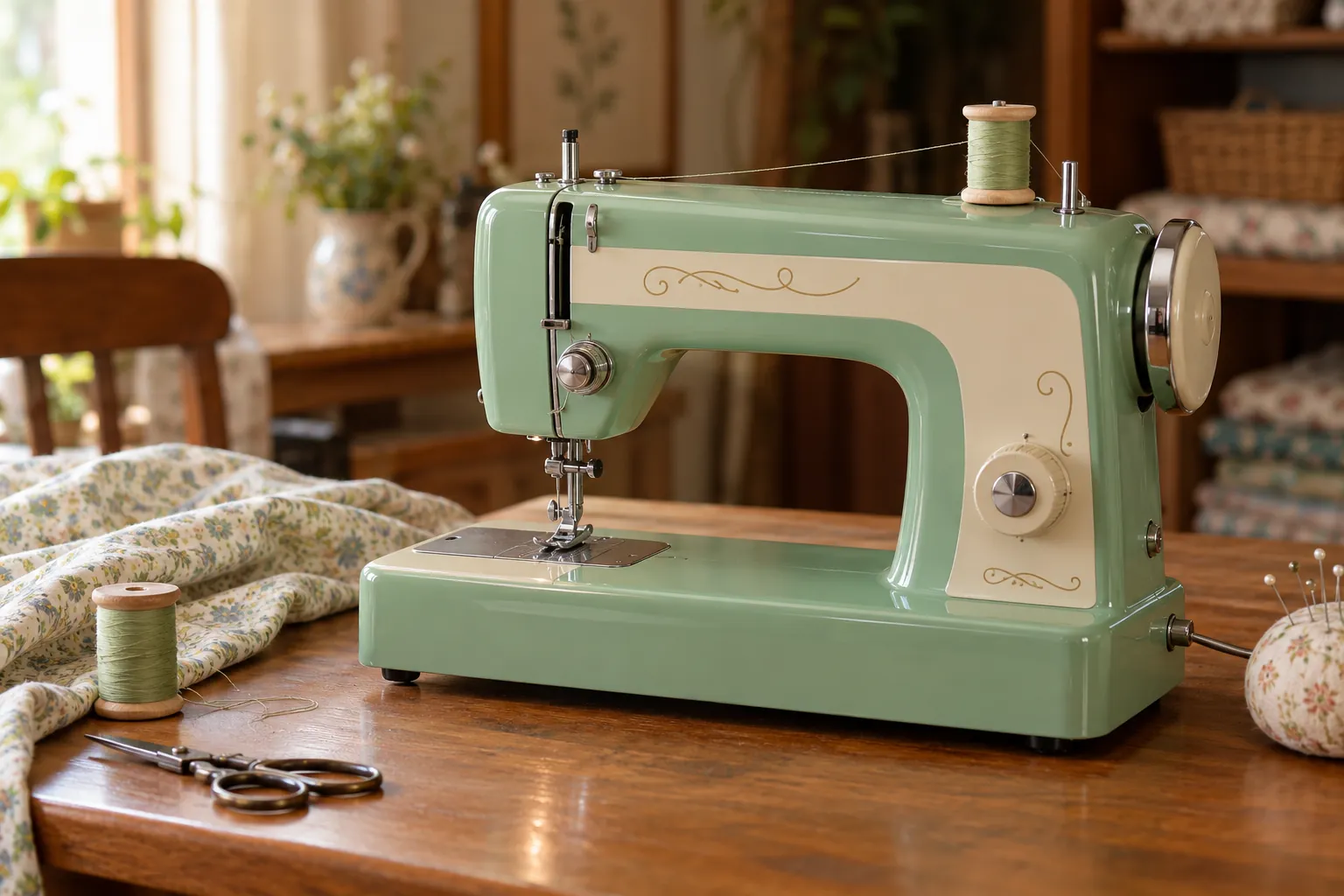
- 185J = St Johns, Canada (green); 185K = Kilbowie, Scotland (tan and brown); US 185 = green.
- Straight stitch only, oscillating hook, Class 66 bobbin, 15x1 needle, external belt-drive motor.
OverviewWhat is a Singer 185?
singersewinginfo describes the 185K as a “cosmetically re-packaged electric version of the long serving model 99K”. Underneath its rounded late-1950s body it is the 99 mechanism: a three-quarter-size machine with a 12½-inch bed, an oscillating hook and a drop-in Class 66 bobbin. It sews straight stitch only, forwards and in reverse.
Versions185J vs 185K vs 185: what the letters mean
| Model | Factory | Colour |
|---|---|---|
| 185J | St Johns, Quebec, Canada | Green |
| 185K | Kilbowie, Clydebank, Scotland | Tan and brown |
| 185 (US market) | — | Green |
The suffix letter is Singer’s factory code: J for St Johns and K for Kilbowie (see our factory guide). singersewinginfo dates the 185K to between 1958 and mid-1963, with serial prefixes from EN (first batch August 1958) to EV (February 1963). It was replaced in May 1963 by the 285, which looks the same from outside.
SpecificationsBobbin, needle, motor and feet
- Bobbin: Class 66, dropped in under a slide plate (not the Class 15 used by the 15-91).
- Needle: standard 15x1 (130/705H) domestic needles.
- Motor: an external motor driving the handwheel by V-belt.
- Needle direction: flat side to the right, threaded from left to right, as on the 99.
For more on bobbins and feet, see our guides to Singer bobbin types and presser feet and attachments.
BuyingIs a Singer 185 a good machine?
It is a simple, robust, all-metal straight-stitch machine that is lighter than a full-size 66 or 201, which is why the green 185J is popular with people who want a vintage machine for everyday sewing. Check the motor wiring, the belt and that the bobbin area is complete before buying, as with any vintage machine. The ISMACS page on the 185 describes it as combining the proven mechanics of the Model 99 with distinctive mid-century styling.
DatingHow to date a Singer 185
Enter the serial number (two letters and six digits on the bed) into our lookup. For the Canadian 185J, detailed ledgers are not published, so the result may give a prefix period rather than an exact year.
QuestionsFrequently asked questions
What year is my Singer 185J?
The 185 was made between 1958 and 1963. Look up the serial number for the year its number block was allotted.
What bobbin does a Singer 185 use?
Class 66 bobbins, the same as the 66 and 99.
Is the Singer 185 a zigzag machine?
No. It sews straight stitch only, forwards and in reverse.
Why is my Singer 185 green?
The Canadian 185J and the US 185 were finished in green; the Scottish 185K was tan and brown.
ReferencesSources
These are the pages and manuals the facts in this article come from. Where they disagree, we say so in the text.
- www.singersewinginfo.co.uk/singer_machines/domestic_machines/models/185
- ismacs.net/singer_sewing_machine_company/p185.html
- www.singersewinginfo.co.uk/history/factories/stjohns
- www.singersewinginfo.co.uk/singer_machines/domestic_machines/models/99k
Published 24 October 2026 · Written and fact-checked by the HeirloomID editors. Spotted an error? Tell us.