Key points
- Introduced in 1910 and built at Elizabeth, New Jersey.
- Chain stitch with a single thread; no bobbin.
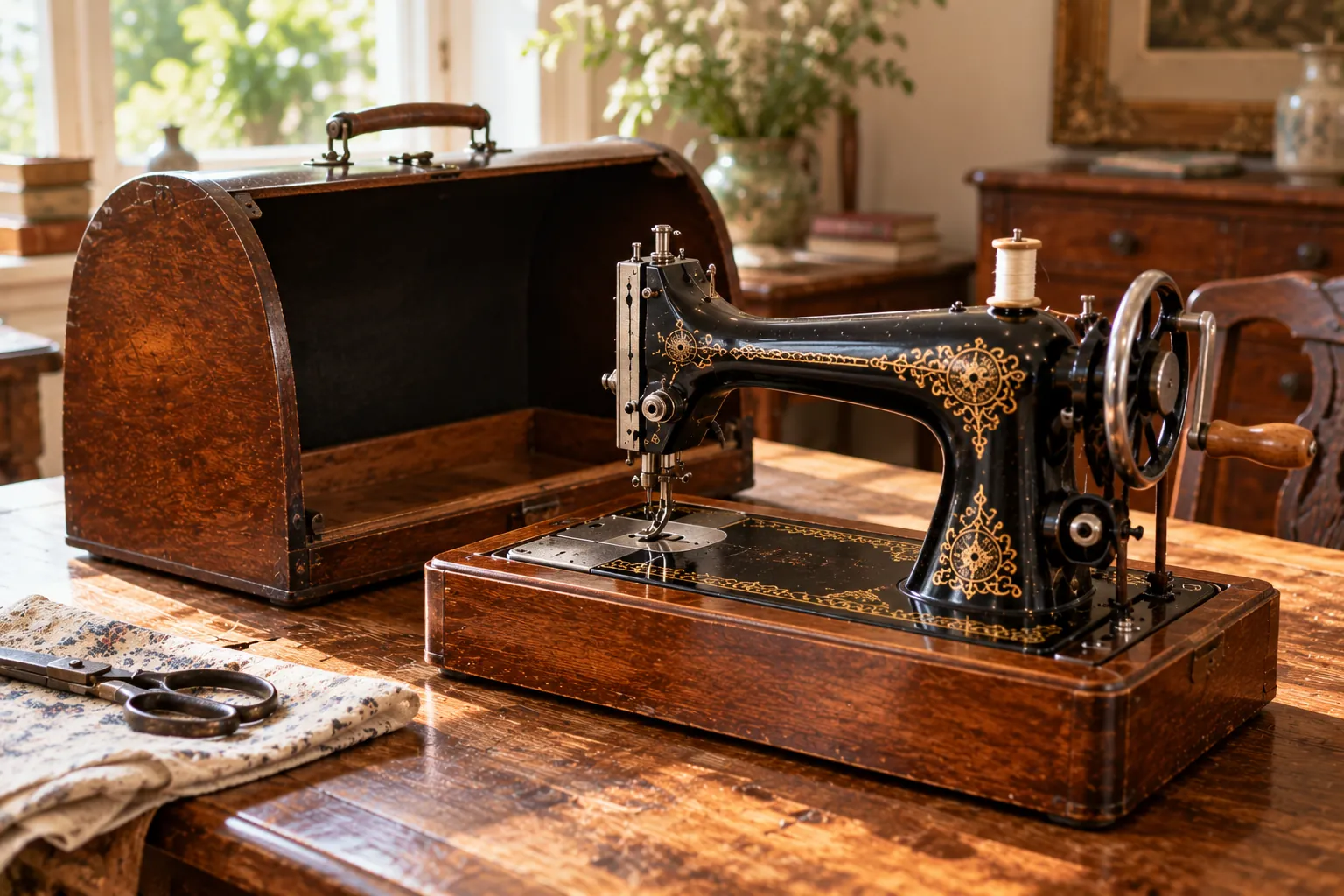
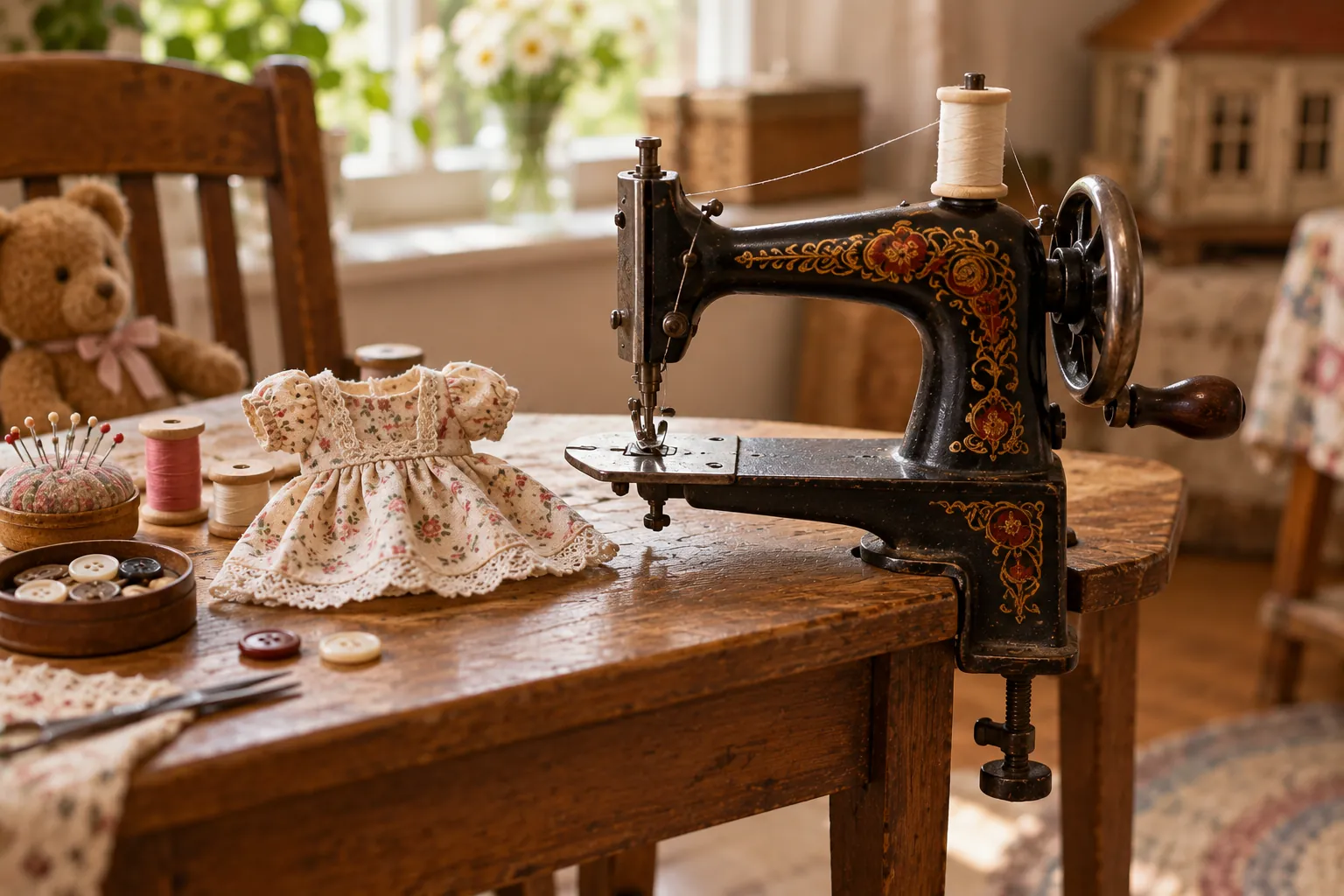
- Early 20-1: cast iron, four-spoke handwheel; spoke counts changed around 1914.
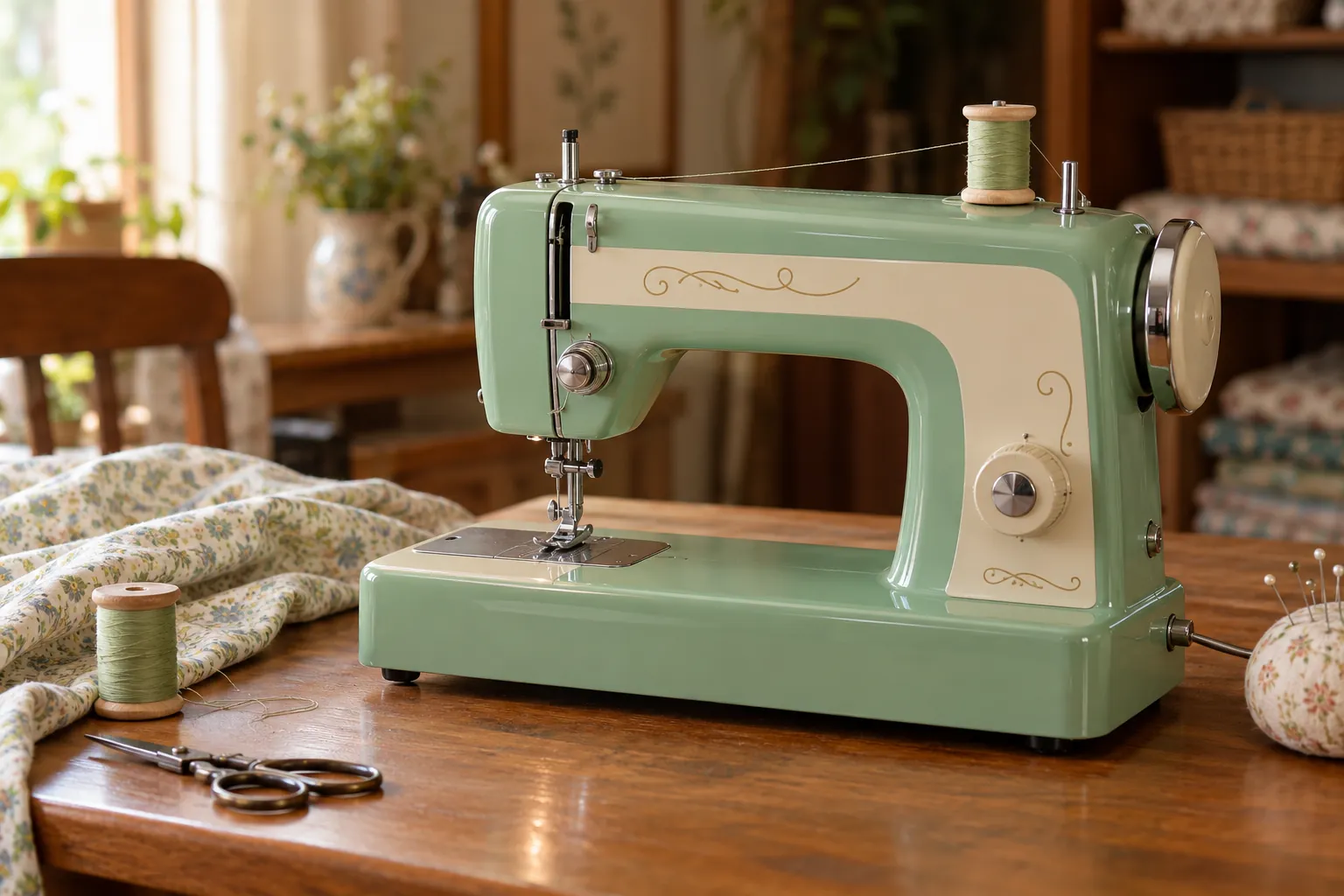
- 1950s 20-10 “Sewhandy”: aluminium body, black, tan or cream (rarely red or blue).
OverviewWhat is the Singer Model 20?
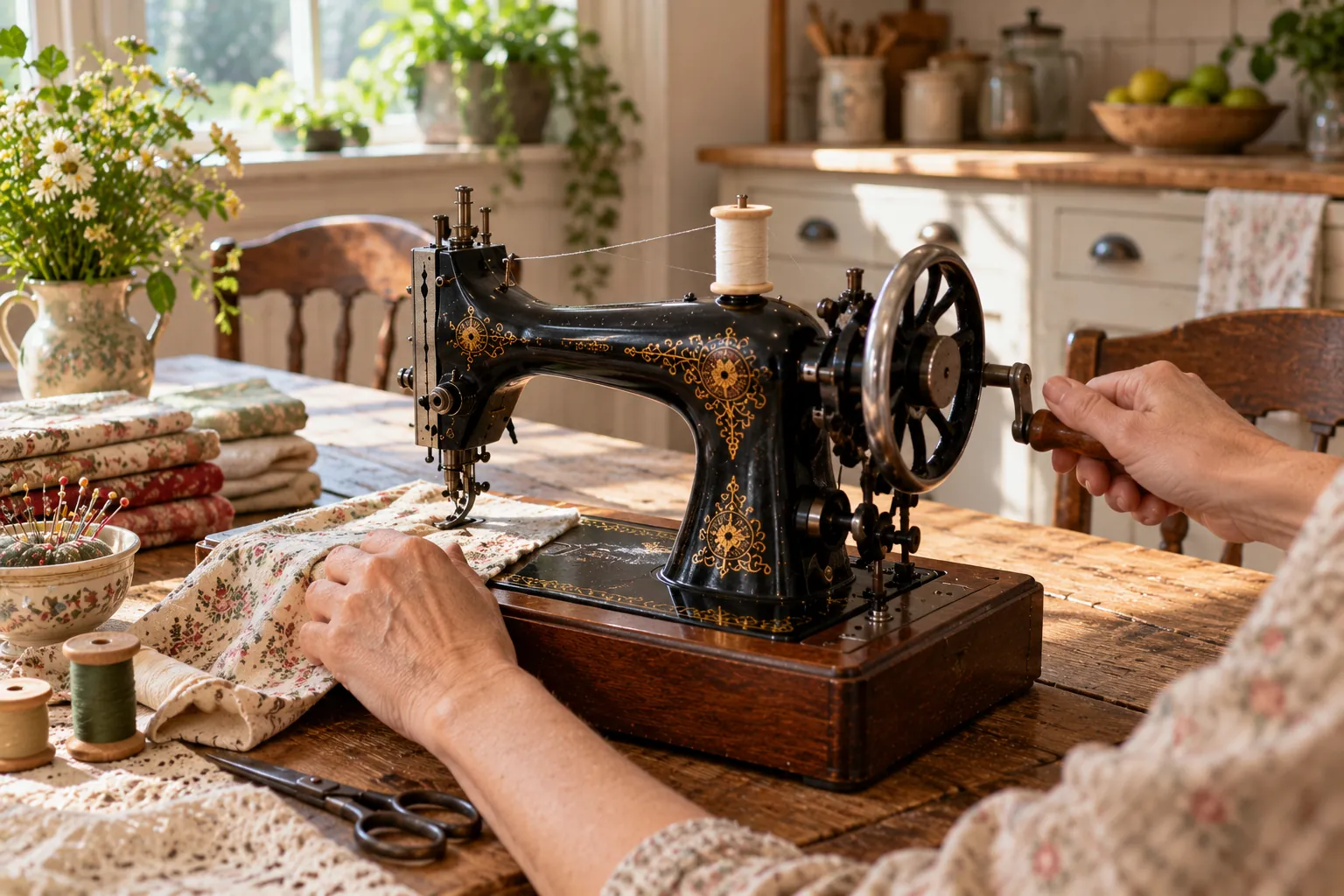
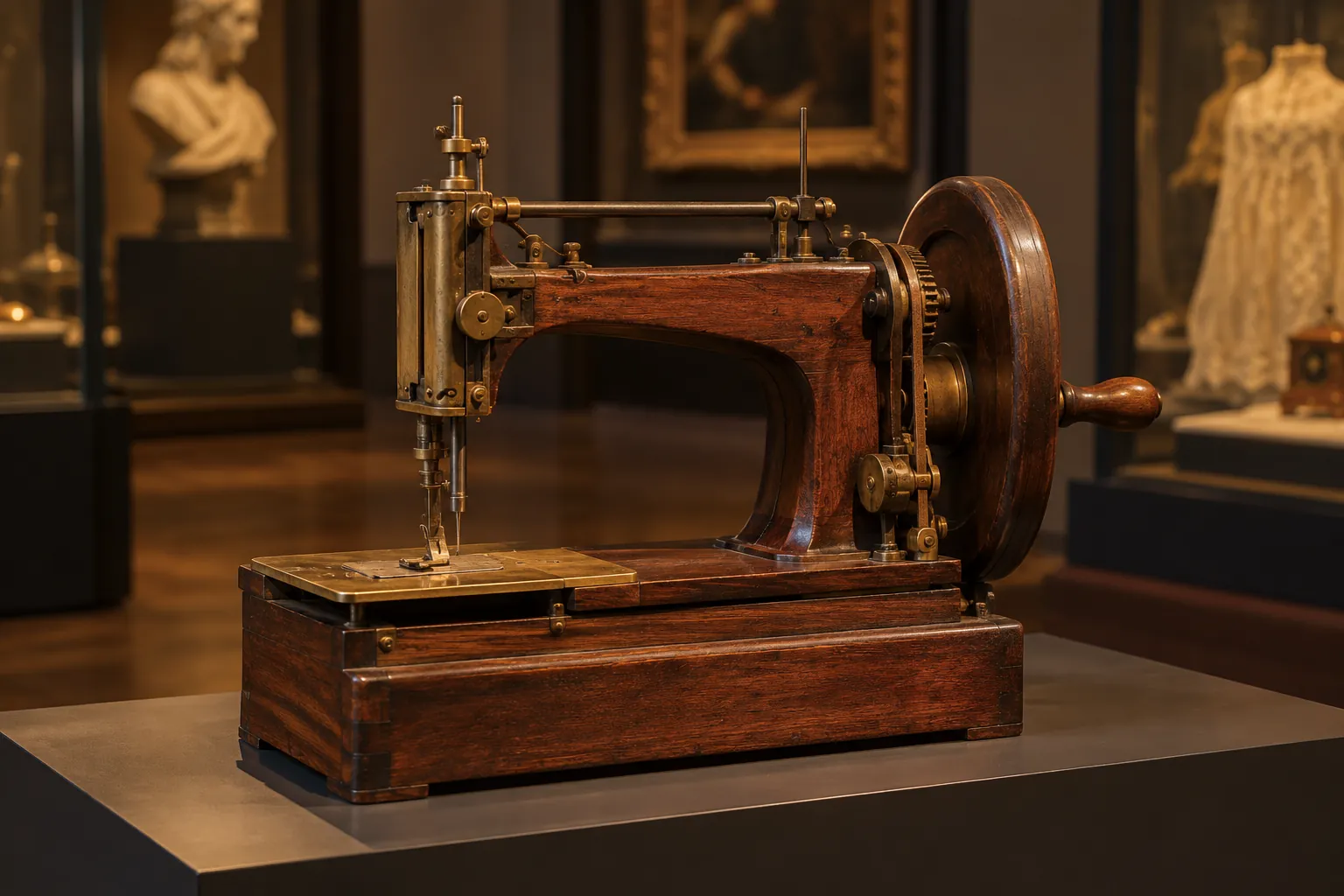
The Model 20 is a working toy sewing machine for children. sewalot says it was built at Singer’s Elizabeth, New Jersey plant, first appearing around 1910, and that its basic engineering hardly changed until the 1970s. It sews a chain stitch: a single thread looped on itself under the fabric, so there is no bobbin. Pull the loose end and a chain stitch unravels, which is normal.
VersionsHow to identify the version
| Version | Period | Features |
|---|---|---|
| 20-1 | From 1910 | Cast iron, about 40 parts, four-spoke handwheel |
| Later 20-1 / 20-2 era | From about 1914 | More spokes and added tension discs; threading numbers stamped on from 1926 |
| 20-10 “Sewhandy” | 1950s | Aluminium body, rectangular base; black, tan or cream |
| Later models | 1960s–1970s | UK-made 40K and 50D; K20 made in Turkey in the 1970s |
Sources disagree on the spoke counts: singersewinginfo gives a seven-spoke wheel from 1914, while sewalot and ISMACS show eight-spoke wheels by the First World War. Treat the handwheel as a clue, not proof.
Using oneHow to use a Singer toy sewing machine
- Clamp the machine to a table so it can’t tip.
- Thread from the spool through the tension and guides to the needle, following the stamped numbers if your machine has them.
- Use thin cotton fabric and turn the handwheel slowly, clockwise as you face it.
- To finish, pull the fabric back and cut the thread; tie the last loop so the chain doesn’t unravel.
Use toy-machine needles of the correct type; standard 15x1 domestic needles are too long for most.
ValueAre miniature Singer sewing machines valuable?
They are popular with collectors, especially complete examples in their original box with the clamp, and the rarer red or blue Sewhandy colours. Prices vary widely, so compare recent sold prices with our sold-price finder rather than asking prices.
QuestionsFrequently asked questions
How old is my Singer toy sewing machine?
The Model 20 was made from 1910 into the 1970s. Material (cast iron or aluminium), handwheel and threading numbers help place it; the Sewhandy 20-10 is 1950s.
Does a Singer Model 20 use a bobbin?
No. It sews a single-thread chain stitch.
Why does the stitching on my toy Singer unravel?
A chain stitch unravels if you pull the last loop. Tie off the end of each seam.
Is a child’s Singer sewing machine a real sewing machine?
Yes. It is a working, hand-turned chain-stitch machine, though only for light fabric.
ReferencesSources
These are the pages and manuals the facts in this article come from. Where they disagree, we say so in the text.
- www.singersewinginfo.co.uk/toys/minisinger
- sewalot.com/singer%20toy%20model%2020.htm
- brightontoymuseum.co.uk/index/Singer_Model_20
- ismacs.net/singer_sewing_machine_company/model_20_toy.html
Published 24 October 2026 · Written and fact-checked by the HeirloomID editors. Spotted an error? Tell us.